

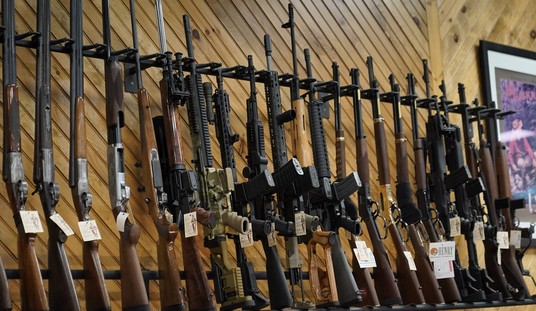
Maine’s Second District race is shaping up to be a textbook example of how gun rights have become the ultimate political litmus test—even in a state where hunting and shooting are woven into the culture. Both candidates are tripping over themselves to claim the pro-2A mantle, which tells you everything about where the Overton window has shifted: no serious contender can afford to be painted as soft on the Second Amendment. What’s interesting isn’t that they’re both saying the right things; it’s that voters in ME-02 have become sophisticated enough to parse the difference between lip service and a voting record that actually protects shall-issue carry, constitutional carry expansions, and resistance to magazine bans or red-flag laws.
For the firearms community, this race is a reminder that primaries and general elections are increasingly won or lost on the strength of a candidate’s FPC or GOA scorecard rather than on generic “I support the Second Amendment” soundbites. The fact that both sides feel compelled to compete on this terrain also signals that the old coastal-versus-rural framing is breaking down; even Democrats in rural districts now understand that reflexive gun control is a non-starter with sportsmen and sportswomen who also happen to swing elections. The real test will come after November, when whichever candidate wins will have to decide whether their campaign-trail rhetoric translates into co-sponsorship of national reciprocity or opposition to funding for ATF pistol-brace rules.
Bottom line: ME-02 is a microcosm of the broader realignment in which gun owners have stopped being a reliable Republican bloc and have instead become a results-oriented constituency willing to punish apostates on either side of the aisle. That pressure is healthy—it keeps lawmakers honest and forces the debate onto substantive ground like due-process protections and the commerce-clause implications of interstate handgun sales. Watch how the winner governs; the margin in this district is thin enough that any backsliding on 2A issues will be met with well-funded primary challenges in 2026.


