

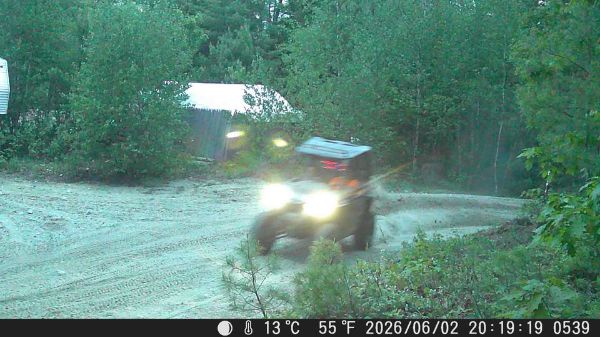
In a case that highlights the growing friction between public land users and private property owners, Maine Game Wardens used a combination of citizen tips, trail cameras, and video evidence to track down 21-year-old Devin Lafrance after he allegedly struck and dragged a landowner with his ATV on Pequawket Lake Road. The charges—aggravated assault, reckless ATV operation, and failure to stop and identify—paint a picture of reckless behavior that not only endangers individuals but also fuels the narrative that outdoor enthusiasts, including hunters and shooters who rely on ATVs for access, are a liability rather than responsible stewards of the land. For the 2A community, this incident serves as a stark reminder that our rights to bear arms and access public spaces come with an implicit duty to respect property boundaries and operate vehicles with the same discipline we demand at the range or in the field.
The swift identification of Lafrance through public cooperation underscores how modern surveillance tools are reshaping enforcement in rural areas, where trail cameras once used primarily for game scouting now double as silent witnesses in criminal investigations. This technological shift has implications for Second Amendment advocates who often champion privacy rights alongside gun rights; while these cameras helped bring an alleged wrongdoer to justice, they also raise questions about how footage might be used in future disputes over land access or even lawful carry. The 2A community must recognize that incidents like this can be weaponized by anti-access groups to push for stricter regulations on ATVs, trail use, and even the broader outdoor culture that overlaps with hunting and shooting sports.
Ultimately, this arrest is less about one reckless rider and more about the broader cultural battle over who belongs on the land and under what rules. Responsible gun owners and outdoorsmen have long argued that education, ethics, and accountability are the best defenses against overreach, and cases like Lafrance’s give ammunition to those seeking to restrict access under the guise of safety. The takeaway is clear: every time someone abuses the privilege of public land use, it tightens the noose on the freedoms the rest of us fight to preserve, making it essential for the 2A community to lead by example rather than cede the narrative to those eager to paint all enthusiasts with the same reckless brush.


