

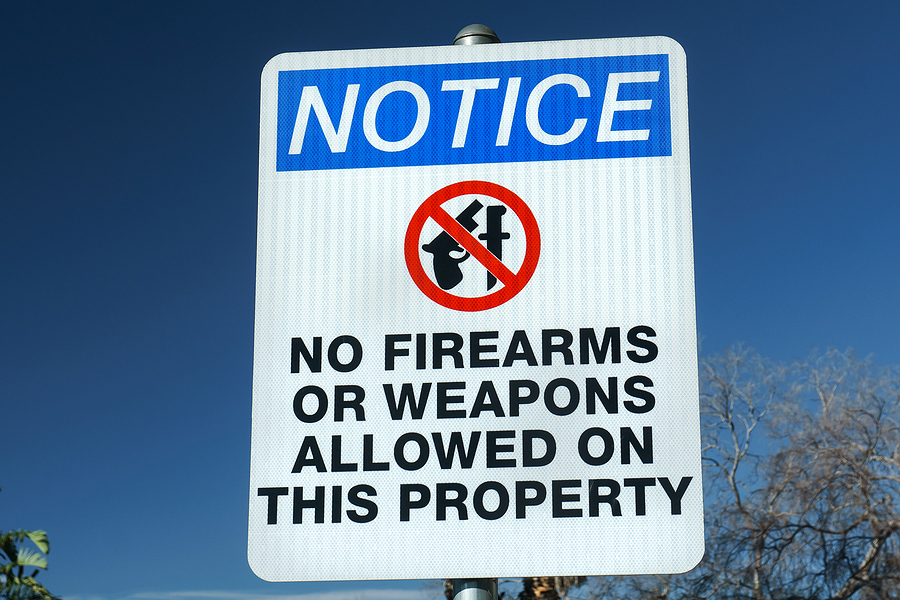
In the wake of expanding “sensitive places” restrictions, permit holders who once carried confidently into schools, parks, and government buildings now find themselves stripped of that option precisely where threats often concentrate. These laws rest on the comforting assumption that declaring a zone gun-free magically transforms it into a sanctuary, yet the data from defensive gun uses and active-shooter studies show the opposite: law-abiding carriers are disarmed while determined attackers ignore signage altogether. The result is a two-tier reality—criminals retain the initiative, and the very citizens most likely to intervene are converted into spectators until police arrive minutes later.
For the broader Second Amendment community, the trend signals a strategic pivot away from shall-issue victories toward a new front: defending the “sensitive places” carve-outs that threaten to nullify permit rights in everyday life. Courts weighing these challenges will confront the historical test laid out in Bruen, asking whether 18th- and 19th-century statutes ever treated churches, fairs, or polling places as perpetual no-carry zones; early American practice suggests narrowly tailored exceptions, not the sweeping exclusions now proliferating. If the judiciary accepts the government’s invitation to label virtually any public space “sensitive,” the practical effect will be a de facto may-issue regime operating under another name, forcing carriers to map an ever-shrinking archipelago of lawful carry.
The stakes extend beyond statutes to cultural perception: each new prohibition reinforces the narrative that ordinary people cannot be trusted with arms in the very venues where they live, work, and worship. Pro-2A advocates therefore face a messaging imperative—highlighting real-world examples where armed citizens halted attacks in non-sensitive venues, while underscoring that “gun-free” rhetoric functions more as political theater than public-safety policy. Absent pushback in legislatures and courtrooms, the slow conversion of public space into prohibited territory will continue, leaving permit holders with a piece of plastic that promises little more than the right to be helpless.


