

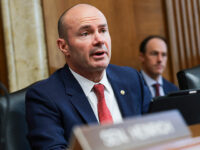
Sen. Mike Lee’s rebuke of the Senate’s decision to recess without advancing the Hearing Protection Act or any other pro-Second Amendment priority is more than procedural theater—it’s a reminder that the window for meaningful reform is closing fast. While leadership claims the calendar is packed, the real bottleneck is political will: the same chamber that found time for must-pass spending bills and foreign-aid packages has yet to schedule a floor vote on suppressors, despite broad bipartisan support in committee and polling that shows even suburban moderates favor quieter range days. Lee’s frustration signals that the institutional GOP is treating the issue as a messaging tool rather than a legislative one, leaving millions of law-abiding gun owners exposed to the regulatory tax and hearing damage that the HPA was designed to eliminate.
For the 2A community, the missed opportunity carries downstream costs that extend beyond decibel levels. Every month of inaction keeps the NFA tax stamp in place, sustains an expensive and slow ATF approval process, and hands anti-gun litigators another data point to argue that Congress has “acquiesced” to onerous restrictions. Meanwhile, states such as Tennessee and Georgia have already deregulated suppressors at the intrastate level, proving the policy is workable and popular; the federal overhang now functions as little more than a barrier to nationwide reciprocity and uniform safety standards. If leadership won’t prioritize the bill before the election recess, expect grassroots pressure to shift from persuasion to primary challenges—because voters who turned out over pistol braces and bump-stock rules are unlikely to accept yet another election-year shrug on an issue that literally affects their hearing.


