

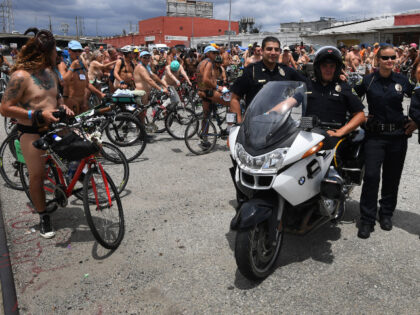
In a city where the line between “assault weapon” and “toy” keeps getting blurrier by the week, Los Angeles prosecutors have decided a BB gun qualifies as a deadly weapon when the targets happen to be unclothed. The suspect now faces felony assault charges for allegedly peppering naked pedestrians with plastic pellets—an act that, under any other circumstances, would probably land him in misdemeanor mischief territory. Yet the charging decision reveals how California’s expansive definition of “deadly weapon” can turn an air-powered plinker into the legal equivalent of a Glock, especially when the optics are lurid enough to guarantee headlines.
For the 2A community the episode is a reminder that the same legal machinery used to criminalize ordinary firearms can just as easily be trained on anything that goes “pop.” If a BB gun is suddenly a deadly weapon because the victims lacked clothing, then the threshold for what counts as an “assault” is being set by fashion rather than physics. That precedent matters when anti-gun lawmakers already treat standard-capacity magazines, pistol grips, and even the color of a rifle as aggravating factors; the next step is simply to declare the entire class of devices—BB, pellet, or powder—presumptively criminal in the wrong hands or the wrong zip code.
The deeper implication is cultural as much as legal. Los Angeles has some of the strictest gun-control regimes in the country, yet the streets are apparently still safe enough for naked pedestrians to wander around at 11 a.m. The arrest therefore functions less as public-safety theater and more as a signal that authorities will stretch statutes to punish behavior they find distasteful, even when no lasting injury occurred. Second Amendment advocates should watch how the case develops: every time a minor implement is elevated to “deadly weapon” status, the rhetorical space shrinks for arguing that actual firearms deserve ordinary constitutional protection rather than reflexive prohibition.


