

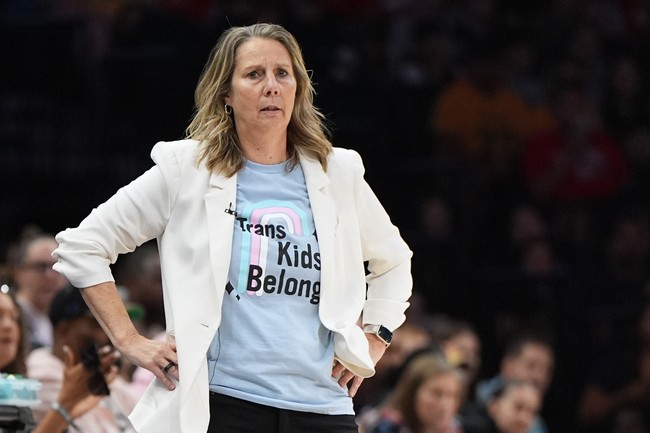
The WNBA’s sudden reckoning with biological males in women’s basketball is more than a locker-room controversy—it’s the first time a major women’s league has publicly admitted that male physiology cannot be wished away by a birth-certificate change. When the league quietly began reviewing testosterone-suppression policies after a rash of injuries and lost sponsorships, it signaled that the same data-driven skepticism now aimed at gender-identity rules is poised to migrate into every other policy domain that treats self-declaration as scientific fact. For the firearms community, that migration matters: every time a governing body is forced to re-anchor its rules in objective, measurable criteria—bone density, grip strength, reaction time—it undercuts the broader legal theory that feelings override biology, a theory already being weaponized against the Second Amendment in “sensitive places” litigation and red-flag laws.
The deeper implication is structural. Once sports federations concede that chromosomes and puberty-driven advantages are immutable for competitive purposes, courts and legislatures lose the precedent that identity alone can rewrite statutes written in sex-specific language. That precedent is exactly what gun-control advocates rely on when they argue that an ATF rule or a state “assault-weapon” ban should be judged not by text, history, and tradition, but by ever-shifting “evolving standards of decency.” If the WNBA’s reversal spreads to insurance underwriting, prison housing, and—most critically—statutory definitions of sex, then the same originalist logic that protects an individual’s right to keep and bear arms will have fresh, cross-cutting support in challenges to magazine bans, permitting schemes, and carry restrictions that hinge on malleable social categories rather than hard data.
In short, the league’s embarrassment is a stress-test for the entire project of substituting subjective identity for objective criteria. When that project fails in the most visceral proving ground—elite female athletics—the spillover strengthens every argument that constitutional rights must be grounded in observable reality, not administrative feelings. The 2A community should watch the WNBA’s policy reversal not as a culture-war sideshow, but as an early indicator that the courts may soon be asked to decide whether the same evidentiary standard applies to the right to bear arms.


