

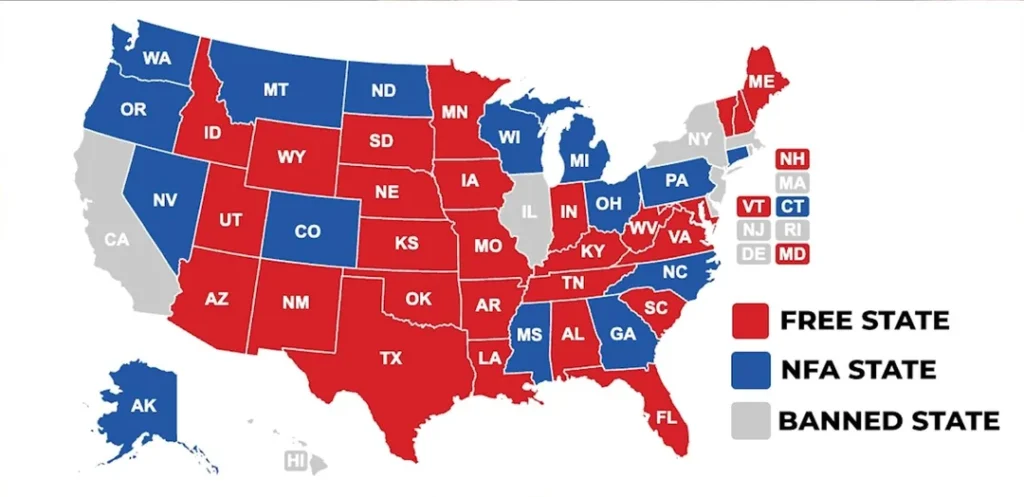
The NSSF’s latest guidance on NFA purchases is a timely reminder that the regulatory maze surrounding suppressors, short-barreled rifles, and other Title II items is still very much a moving target. While the Bureau of Alcohol, Tobacco, Firearms and Explosives has streamlined some processes—most notably the eForms rollout that has shaved months off wait times—state-level restrictions, trust vs. individual paperwork nuances, and the ever-present risk of future rule changes mean buyers need more than a credit card and a Form 4 to stay compliant. The trade group’s emphasis on consulting counsel isn’t bureaucratic boilerplate; it’s an acknowledgment that even well-intentioned shooters can find themselves on the wrong side of an ambiguous statute if they rely solely on internet forum consensus.
For the broader Second Amendment community, this advisory underscores a strategic shift: as the NFA process becomes marginally less painful, the focus is moving from “how do I get it” to “how do I keep it.” With several states actively litigating pistol-brace rules and others eyeing suppressor tax-stamp repeal, an NFA item purchased today could become a compliance headache tomorrow. That uncertainty rewards those who treat their tax-stamped hardware as long-term capital investments rather than impulse buys—documenting every modification, maintaining current trusts, and staying plugged into both federal register notices and state legislative calendars.
Ultimately, the NSSF’s message is less about slowing down purchases and more about inoculating the community against regulatory whiplash. By pairing the convenience of electronic filing with a sober reminder to seek real legal counsel, the industry is signaling that the next phase of NFA ownership will be defined not by stamp counts, but by how deftly owners navigate an increasingly fragmented legal landscape.


