

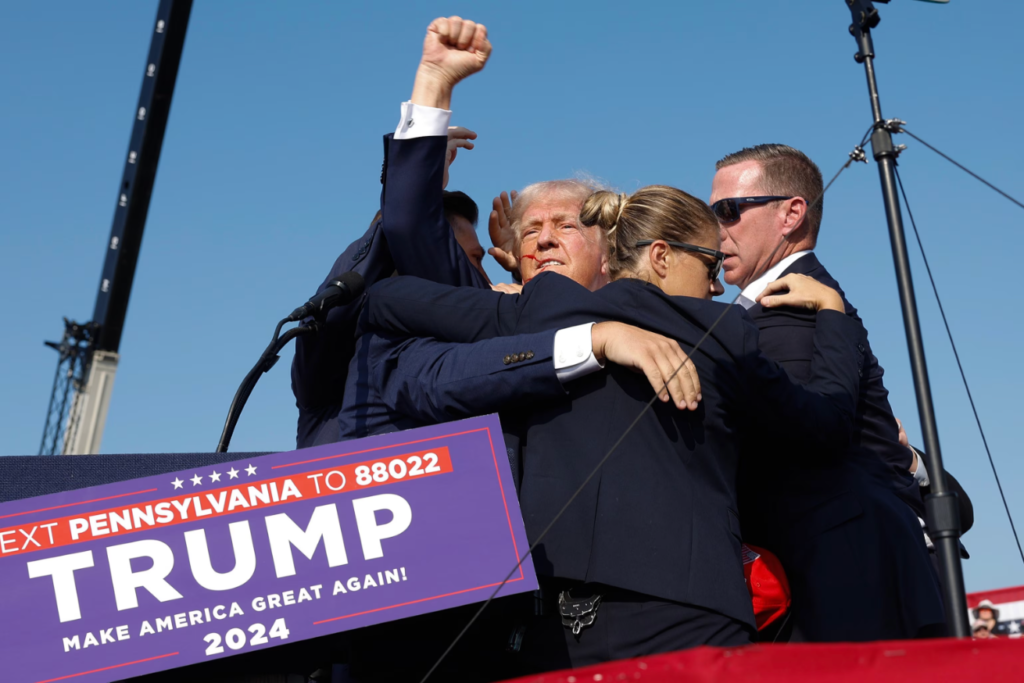
Trump’s second term has quietly become a proving ground for whether the Second Amendment can move from defensive litigation to affirmative policy. The administration’s decision to let the DOJ pursue structural challenges against state-level restrictions, paired with ATF personnel changes that appear aimed at rolling back Obama- and Biden-era reinterpretations of the NFA, signals a shift from “don’t lose more ground” to “take some back.” For the first time in decades, the regulatory table isn’t automatically tilted toward new serial-number or pistol-brace rules; instead, the bureau is being asked to justify why certain items ever belonged on the registry in the first place. That reframing alone changes the cost-benefit calculation for manufacturers eyeing short-barreled rifles or suppressors as mainstream products rather than niche work-arounds.
The creation of a dedicated Second Amendment section inside DOJ is more than bureaucratic box-checking; it institutionalizes the view that the right to keep and bear arms is not simply a litigant’s shield but a departmental priority on par with voting rights or antitrust. Early signals suggest the unit will coordinate amicus participation in cases such as the Fifth Circuit’s suppressed-brace litigation and forthcoming challenges to magazine-capacity bans, giving judges a steady drip of filings that treat the Heller test as a floor, not a ceiling. Gun owners who spent the last three years watching ATF pistol-brace guidance metastasize into felony exposure now see a plausible off-ramp: administrative rescission rather than another decade of circuit-by-circuit warfare.
None of this makes the record flawless—import bans on Russian ammo remain, bump-stock nullification is still on the books, and the pistol-brace rule’s injunction is temporary—but the Overton window inside the regulatory state has moved. The practical effect is that companies can plan five-year product cycles around the assumption that short-barreled configurations and suppressor ownership will be treated as ordinary rather than exotic. For the 2A community, that translates into capital expenditure, R&D budgets, and, ultimately, normalized everyday carry of tools that were, until recently, trapped in the legal equivalent of regulatory purgatory.


