

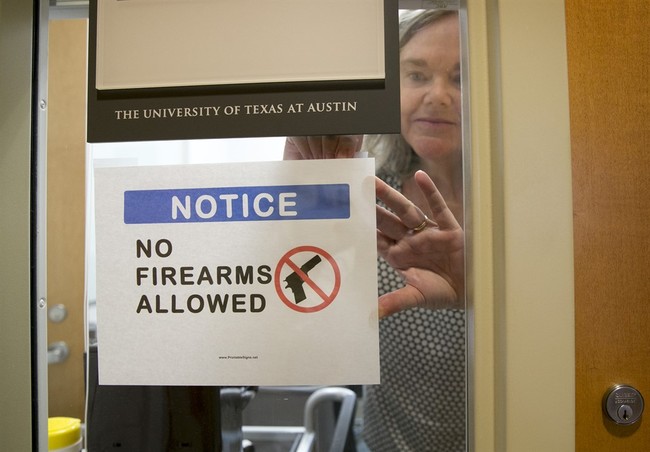
Libertarian thinkers have long argued that the right to self-defense doesn’t vanish the moment a student steps onto a public university campus, and recent pushes to restore campus carry are simply applying that principle to the real world. By treating 18-to-21-year-olds as presumptively responsible adults in every other context—voting, signing contracts, joining the military—while simultaneously disarming them in classrooms and dorms, states create a two-tiered system that clashes with both constitutional text and individual-liberty logic. Data from states that already allow permitted carry on campus show no spike in gun violence and, in several cases, measurable drops in certain property crimes, suggesting that the oft-cited “wild-west” fears have yet to materialize.
For the 2A community, these debates are less about optics and more about precedent: if universities can nullify a fundamental right by administrative fiat, nothing prevents future administrators from carving out gun-free zones around apartment complexes, shopping districts, or entire municipalities under the same “safety” rationale. Allowing licensed adults to carry also shifts the incentive structure away from exclusive reliance on campus police response times, which studies consistently show average four to six minutes in urban settings and far longer in rural ones. In short, campus-carry reform isn’t an expansion of gun culture; it’s a narrowing of the gap between constitutional theory and everyday practice, forcing institutions to justify why some adults deserve fewer rights than others based solely on ZIP code and class schedule.


