

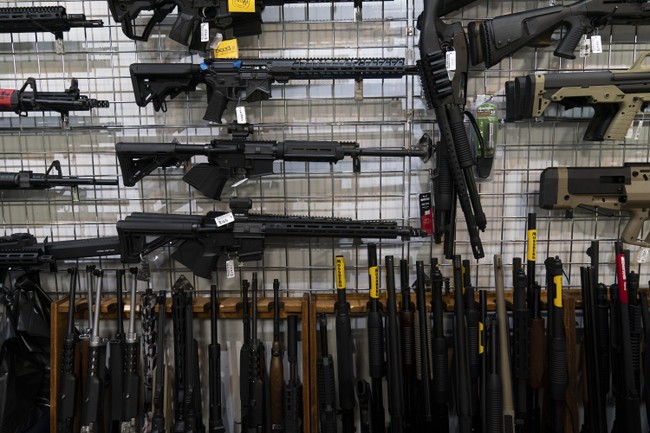
Canada’s latest extension of its amnesty for newly prohibited firearms isn’t a concession to gun owners—it’s a tacit admission that the Liberal government’s confiscation scheme has collapsed under its own weight. After years of promising a swift “buyback” that would clear the streets of so-called assault weapons, Ottawa now finds itself staring down mounting court challenges, ballooning costs, and an uncooperative public that simply refuses to line up for below-market compensation. By quietly pushing the amnesty deadline further into the future, the government is buying time while pretending the policy is still on track, a classic bureaucratic maneuver that masks failure as flexibility.
For the Canadian firearms community, the move underscores a deeper strategic reality: once rights are placed on the negotiating table, governments rarely hand them back without sustained legal and political pressure. The amnesty extension keeps lawful owners in a legal gray zone—technically prohibited yet temporarily shielded from prosecution—while the state continues to dangle the threat of future enforcement. This creates a chilling effect on ownership, transfers, and even basic maintenance, effectively achieving through uncertainty what outright bans struggle to accomplish outright. It also hands Canadian activists and litigators fresh evidence that the original prohibition rested on shaky legal and logistical ground, strengthening arguments that similar measures south of the border would face the same practical and constitutional headwinds.
The broader lesson for the 2A community is that incremental disarmament rarely arrives as a single dramatic seizure; it creeps forward through repeated amnesties, ever-shifting compliance deadlines, and the slow erosion of market access. Canada’s experience demonstrates that determined owners, aggressive litigation, and relentless public scrutiny can stall even well-funded confiscation programs, but only if the resistance remains organized and unapologetic. Every extension granted is both a temporary reprieve and a warning that the underlying policy has not been abandoned—only postponed.


