

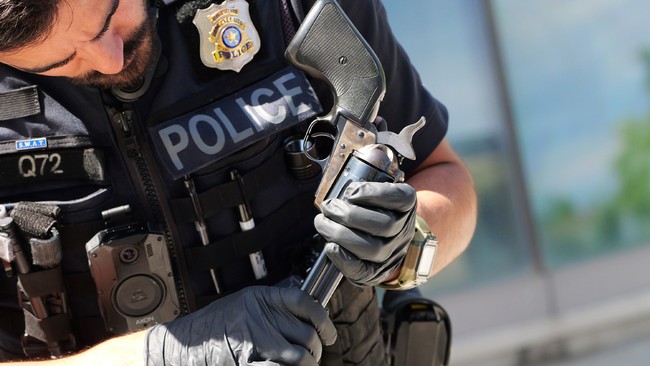
Brooklyn’s latest gun buyback spectacle managed to collect a few dozen firearms—mostly rusted relics and inherited heirlooms—while the city’s homicide tally keeps climbing. The optics are perfect for politicians who want to look “tough on guns,” yet the data shows these events rarely touch the actual pipeline of illegal firearms flowing into the hands of repeat offenders. Instead, they disarm law-abiding citizens who already comply with the law, creating a feel-good headline that distracts from the harder work of prosecuting straw purchasers, cracking down on ghost-gun trafficking, and fixing a revolving-door justice system that returns armed felons to the streets.
For the 2A community, the takeaway is clear: symbolic disarmament campaigns are designed to normalize the idea that guns themselves are the problem, not the criminals who misuse them. Every time a buyback is celebrated as a success, it reinforces the narrative that fewer guns equal fewer crimes—an assertion repeatedly contradicted by cities like Chicago and Baltimore, where strict gun laws coexist with record violence. Law-abiding owners who surrender firearms at these events often do so under the false promise that they’re helping public safety, when in reality they’re simply reducing the number of defensive tools available to people who follow the rules.
The long-term implication is a slow cultural shift: each buyback chips away at the presumption that the right to keep and bear arms belongs to the citizen, not the state. Pro-2A advocates should treat these events as public-relations theater rather than policy victories, using them to highlight the gap between feel-good optics and the actual drivers of urban violence. Until cities prioritize enforcement against violent offenders over collecting grandpa’s rusty revolver, buybacks will remain what they’ve always been—expensive photo ops that accomplish nothing except giving anti-gun politicians another line for the next campaign brochure.


