

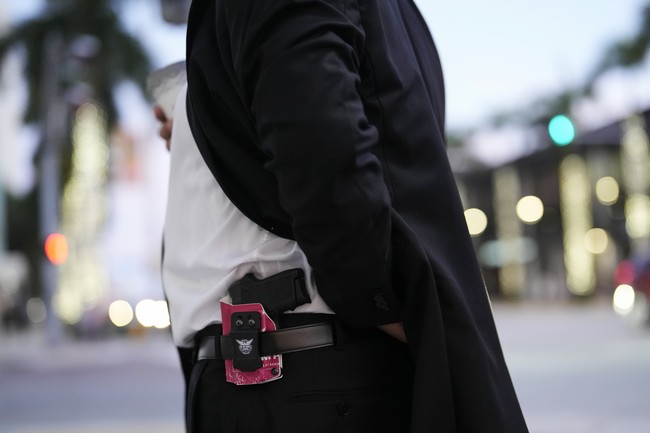
Kentucky’s preemption statute isn’t just a technicality; it’s a deliberate firewall that keeps local officials from carving out gun-free fiefdoms inside the very buildings taxpayers fund. When a columnist laments that county clerks or health-department employees can now lawfully carry at their desks, the real complaint is that the state legislature refused to let anti-gun administrators create their own miniature “sensitive places” by fiat. In practice, the law simply treats public employees the same way it treats private citizens: if you’re not under a specific disqualifier, your Second Amendment rights travel with you—even when you’re on the government clock.
That consistency matters more than the columnist admits. Preemption stops the slow creep of contradictory local rules that once left a permit-holder guessing whether crossing a county line could turn a routine workday into a felony. It also undercuts the symbolic politics of “no guns” signage that never stops a determined attacker but reliably disarms the law-abiding. For the broader 2A community, Kentucky’s approach is a reminder that statehouses—not city councils—are the decisive arena; once a strong preemption clause is in place, every subsequent attempt to re-impose restrictions has to clear a legislative bar instead of an administrative one.
The deeper implication is cultural. Allowing trained, vetted government workers to carry acknowledges that “government buildings” are not magically safer because of a sign; they’re safer when the people inside them can answer force with force. Critics who frame this as an outrage are really conceding that their preferred policy—universal disarmament on public property—depends on keeping ordinary citizens, including those drawing a public paycheck, defenseless. Kentucky’s law rejects that premise outright, and the columnist’s discomfort is the sound of that rejection echoing through yet another editorial board.


