

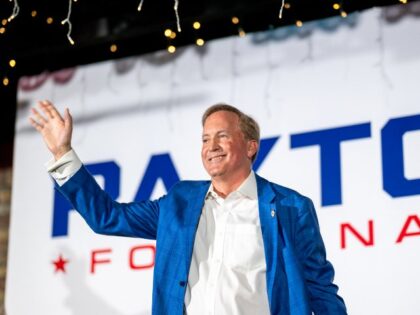
Ken Paxton’s proposal to shield Texas from the “negative impact” of AI data centers is more than a headline-grabbing campaign plank; it’s a recognition that the same digital infrastructure powering tomorrow’s surveillance state could also be weaponized against the Second Amendment. By demanding federal bans on Chinese hardware and criminal penalties for AI chatbots that “harm children,” Paxton is implicitly acknowledging that the algorithms shaping public opinion, flagging “risky” gun owners, or even auto-generating red-flag petitions will be housed in these massive facilities. For the 2A community, the message is clear: whoever controls the servers controls the narrative—and potentially the legal fate—of gun owners nationwide.
The Texas plan also underscores a growing divide between states that treat data centers as economic boons and those beginning to see them as strategic vulnerabilities. If Paxton’s liability language survives court scrutiny, it could set a precedent allowing states to punish AI outputs deemed dangerous, a tool that could just as easily be turned against speech about firearms as against child exploitation material. Meanwhile, the call to purge Chinese components dovetails with existing federal efforts to secure the microelectronics supply chain—efforts that matter to the firearms industry because the same chips power everything from smart guns to digital background-check databases. In short, Paxton is connecting the dots between AI governance and individual rights long before most gun owners realize the server farms rising outside their towns could become the next battlefield for the right to keep and bear arms.


