

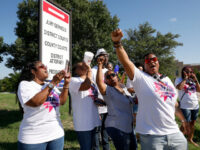
The protests outside the Texas courthouse over Karmelo Anthony’s self-defense case reveal a deeper cultural fracture: when citizens lawfully protect themselves, activist crowds now treat that right as optional rather than foundational. Supporters chanting “Self-Defense Is Not a Crime” are pushing back against a narrative that increasingly paints armed resistance as aggression, especially when the defender doesn’t fit the preferred demographic profile. For the 2A community, this isn’t just another headline—it’s a live demonstration of how public pressure and selective outrage can influence juries, prosecutors, and even state legislatures tempted to water down castle doctrine or stand-your-ground statutes under the guise of “equity.”
What makes the moment particularly instructive is the speed with which media and activist framing shifted from facts to identity. Rather than focusing on whether Anthony reasonably feared for his life—an inquiry the Constitution and Texas law both place at the center—opponents are reframing the incident as a referendum on who is allowed to claim self-defense at all. That reframing threatens every lawfully armed citizen who might one day need to invoke the same right, because once the standard becomes political acceptability instead of objective reasonableness, the Second Amendment’s practical value collapses. The 2A community should watch jury selection and charging decisions closely; any signal that prosecutors are bending to street pressure rather than evidence sets a precedent that chills the very behavior the right to keep and bear arms is meant to protect.
Longer term, these courthouse demonstrations underscore why shall-issue permitting, constitutional carry, and robust training matter more than ever. An armed populace that understands both the legal triggers and the cultural headwinds is harder to disarm through lawfare or narrative. The Anthony case may ultimately turn on forensics and witness testimony, but the surrounding spectacle already illustrates the constant information battle that accompanies every defensive gun use. Staying engaged—documenting facts, supporting organizations that defend armed citizens in court, and refusing to concede the moral high ground on self-defense—remains the most effective way to keep the right from being negotiated away one protest chant at a time.


