

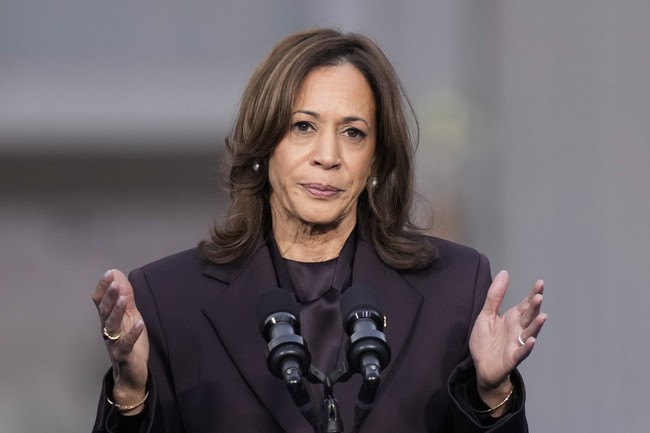
Kamala Harris’s recent comments about needing to be “ruthless” in politics have raised eyebrows far beyond the usual partisan skirmish, especially among those who watch how language about force and authority trickles down into policy. When a sitting vice president frames political success as a contest of raw power rather than persuasion or principle, it’s hard not to connect the dots to the broader cultural moment in which the administrative state keeps testing the limits of what it can compel citizens to do. For the Second Amendment community, that kind of rhetoric is never abstract; it’s a reminder that the same impulse to centralize control often shows up first in the form of new restrictions on who may keep and bear arms and under what conditions.
The timing matters. With the 2028 cycle already taking shape, Harris’s choice of words lands against a backdrop of ongoing ATF rulemaking, proposed pistol-brace restrictions, and quiet efforts to import California-style rosters nationwide. Pro-2A voters have learned to treat vague promises of “common-sense laws” as invitations to further compliance regimes that treat lawful ownership as a privilege rather than a right. When the rhetoric escalates from regulation to “ruthlessness,” it signals a willingness to treat dissent itself—especially dissent rooted in constitutional text—as an obstacle to be crushed rather than a viewpoint to be debated.
What the 2A community should take away is that elections are won not only at the ballot box but in the framing of cultural assumptions about power. If one side openly celebrates an ends-justify-the-means posture, the only durable counter is an electorate that insists on hard limits—enumerated rights, judicial scrutiny, and state-level sanctuary policies that refuse to play along. Harris’s remarks may have been aimed at her own party’s base, but they serve as an inadvertent reminder that vigilance isn’t paranoia; it’s the price of keeping government on a leash.


