

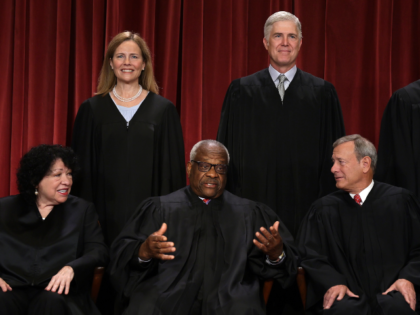
In the wake of the Supreme Court’s Wolford decision, Justices Barrett, Gorsuch, and Thomas delivered a pointed reminder that constitutional rights do not shrink or expand with the latest poll numbers. Their concurrence makes clear that the Second Amendment, like the rest of the Bill of Rights, stands independent of fleeting public sentiment—an especially timely message as states and lower courts continue to test the boundaries of Bruen’s history-and-tradition test. By rejecting the notion that majority disapproval can justify disarming law-abiding citizens, the three justices effectively closed one of the favorite escape hatches gun-control advocates have tried to keep open since the 2022 ruling.
For the 2A community, the opinion signals that the Court’s originalist wing is unwilling to let democratic pressure substitute for the rigorous historical inquiry Bruen demands. That stance matters on multiple fronts: it undercuts arguments that “sensitive places” or permitting schemes can be endlessly expanded simply because they enjoy popular support, and it gives lower-court judges clearer marching orders when activist attorneys trot out polling data instead of founding-era analogues. The message to legislators is equally blunt—craft restrictions that track the nation’s historical tradition, not today’s headlines.
Looking ahead, the concurrence strengthens the hand of litigants challenging discretionary carry regimes, magazine bans, and other post-Bruen measures that rest more on contemporary politics than on constitutional text and history. It also underscores why consistent appointments to the federal bench remain critical; judges who treat public opinion as a trump card will find less room to maneuver. In short, Barrett, Gorsuch, and Thomas have reinforced that the right to keep and bear arms is not a popularity contest, and that clarity should accelerate the rollback of restrictions that never belonged in the first place.


