

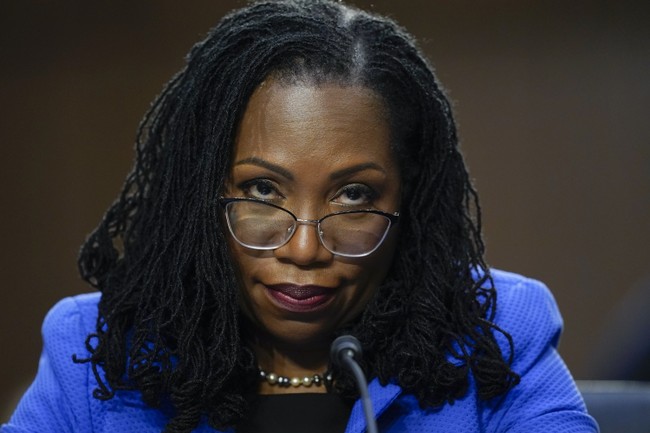
Justice Jackson’s suggestion that the historical existence of racist gun laws should somehow weigh against a robust Second Amendment reading is a head-spinning twist on originalism. Rather than treating those odious statutes as evidence that the right needed protection from majoritarian abuse, she floated the idea that their very presence might dilute the Amendment’s scope today—an argument that flips the historical record on its head. The post-Reconstruction South didn’t enact Black Codes and Jim Crow gun bans because the Second Amendment was weak; legislators passed them precisely because an armed citizenry threatened the racial order they sought to restore. Far from proving the right’s limits, those laws underscore why the Founders placed it beyond legislative whim.
For the 2A community the stakes are immediate and practical. If a majority of the Court were to adopt Jackson’s logic, challenges to discretionary permitting schemes, “sensitive places” rules, and magazine restrictions could be blunted by little more than a footnote reciting 19th-century oppression. That would invert the usual equal-protection narrative: instead of using racist history to strike down gun control, activists would be told the same history justifies keeping it. The practical result would be a two-tiered right—paper rights for the law-abiding in rural counties, and continuing discretionary hurdles for the very communities that most need the ability to defend themselves.
The episode also highlights a deeper strategic point. Gun-control advocates have spent years mining Reconstruction-era statutes for sympathetic sound bites; now those same sources are being repurposed to narrow the right itself. That shift should steel the resolve of organizations litigating incorporation, shall-issue carry, and the facial constitutionality of the 1968 Gun Control Act’s race-based prohibitions. If the Court blinks, the 2A community will have to redouble efforts in state legislatures and at the ballot box, because the federal judiciary will have signaled that centuries-old prejudice can still be weaponized against the right to keep and bear arms.


