

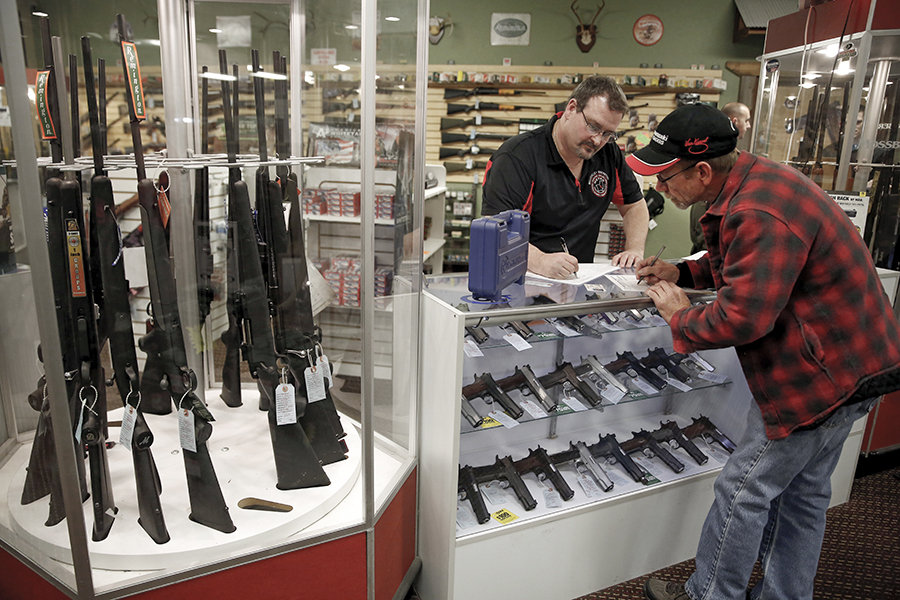
Virginia’s sudden climb in the national NICS rankings isn’t just another monthly data point—it’s a textbook demonstration of how legislative saber-rattling instantly converts into firearm demand. When Richmond floated an “assault weapons” ban and magazine restrictions this spring, the state vaulted from relative obscurity into the handgun top five and straight to number two in long-gun checks, with the overwhelming majority of those long guns being the very semi-automatic rifles lawmakers hoped to restrict. That surge wasn’t panic buying by criminals; it was ordinary Virginians—many first-time purchasers—exercising the constitutional offset to political overreach, proving once again that rights are most vigorously claimed when they appear most threatened.
The deeper implication for the 2A community is that these preemptive purchases do more than fill gun safes; they expand the universe of voters who now have skin in the game. A new rifle owner in Fairfax or Chesapeake is far more likely to notice future magazine-confiscation proposals or red-flag expansions, and that awareness tends to travel with them into the voting booth. Industry analysts have long noted that anti-gun bills function as multi-year marketing campaigns for manufacturers; Virginia simply compressed that timeline into a single legislative session, boosting both sales tax revenue for the commonwealth and the grassroots infrastructure that will resist the next round of restrictions.
For national gun-rights advocates, the episode is a reminder that state-level threats can produce nationwide ripple effects. When one large, demographically diverse state shows that millions of new background checks can be processed without incident, it undercuts the narrative that expanded ownership equals expanded danger. Instead, the data reinforce the argument that shall-issue shall-not-be-infringed policies, combined with swift citizen response, remain the most effective check against the slow creep of gun control.


