

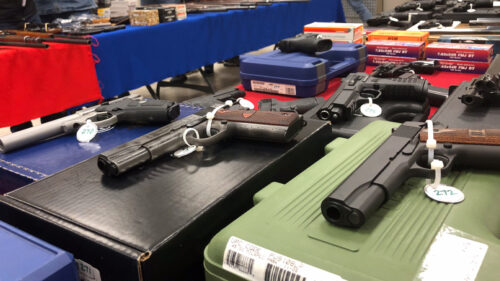
July’s 8.5 percent jump in adjusted NICS checks, paired with NFA applications more than doubling, is the clearest sign yet that policy—not population—remains the dominant force in America’s gun market. When the ATF’s new rule on pistol braces and the renewed push for suppressor registration hit the street, millions of owners decided the safest hedge was to buy now and register what they already owned. The result is a market that behaves less like a steady consumer-goods cycle and more like a barometer of looming regulation: every rumor of an ATF reinterpretation or state-level restriction translates directly into a measurable uptick in background checks and tax stamps.
For the 2A community, the numbers are both reassuring and cautionary. Reassuring because they prove grassroots demand can still outrun bureaucratic friction; cautionary because they also reveal how fragile that demand can be when policy pressure eases. If the surge is driven largely by fear of future bans, then any legislative lull could produce an equally sharp contraction. The lesson is that sustained growth will require more than episodic panic buying—it will demand a durable expansion of the shooting base through training, competition, and normalized ownership that survives the next election cycle or ATF opinion letter.
The deeper implication is that the modern Second Amendment ecosystem now includes an expanding administrative layer—tax stamps, eForms, CLEO notifications—that turns every purchase into a political act. July’s data show citizens responding to that reality by accelerating their transactions, effectively front-running whatever restrictions may come next. In doing so, they are voting with their wallets for a regulatory environment that treats the right to keep and bear arms as presumptively protected rather than presumptively suspect.


