

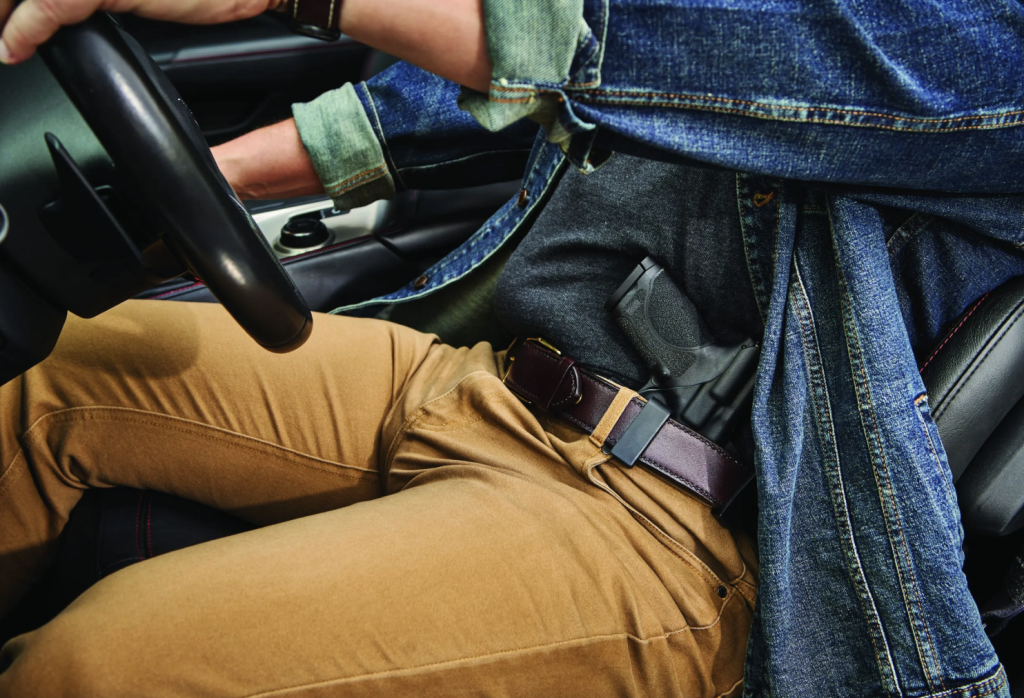
John Lott’s latest salvo lands squarely in the data gap that anti-reciprocity activists have spent years trying to paper over with scare stories. With more than 21 million concealed-carry permit holders already walking the streets, the numbers show that these citizens are not just statistically safer than the general population—they’re safer than police officers. That single fact undercuts the central claim of national-carry opponents: that “easy” permitting somehow floods the public square with impulsive or criminal actors. Instead, the evidence paints a picture of millions of ordinary Americans who have passed background checks, paid fees, and undergone training, then gone on to commit crimes at rates far below those of the population at large.
The hyperbole that greets every reciprocity bill—warnings of “Dodge City” shootouts and blood in the streets—has been tested in the real world every time a shall-issue state liberalized its laws. Crime didn’t spike; in many cases it fell. Permit holders, Lott notes, lose their rights for even minor infractions at rates that would make most demographic groups blush. That track record turns the usual talking point on its head: the people most insistent that reciprocity is “too dangerous” are also the ones least willing to confront the data that already exists in the 29 states that honor each other’s permits without incident.
For the broader Second Amendment community, the fight over national reciprocity is no longer theoretical. Twenty-one million permit holders represent a constituency larger than the population of many states, and they vote. Each new horror story that fails to materialize further delegitimizes the gun-control narrative that public safety requires a patchwork of conflicting state rules. If Congress ever forces states to honor permits the way they honor driver’s licenses, the practical effect will be felt less in dramatic crime statistics and more in the quiet normalization that shall-issue carry is already delivering: millions of responsible citizens moving freely without surrendering their right to self-defense at every state line.


