

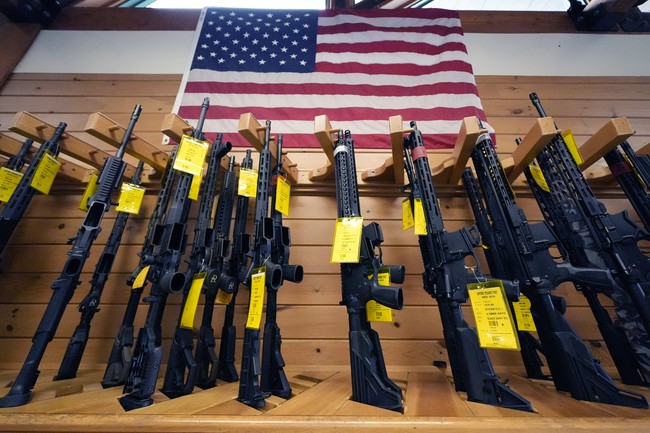
If the Supreme Court ultimately dismantles state-level “assault weapon” bans, Colorado’s post-2013 experience offers anti-gunners a ready-made workaround: flood the statute books with overlapping, hyper-technical restrictions that survive even after the core prohibition falls. Lawmakers in Denver have already layered magazine-capacity limits, “ghost gun” serialization rules, and red-flag expansions on top of the original 2013 ban, creating a regulatory thicket that forces manufacturers and owners into constant compliance gymnastics. The practical effect is that even if SCOTUS voids the explicit ban language, the state’s remaining web of ancillary rules could still functionally bar the sale or transfer of the most popular semi-automatic platforms—exactly the outcome gun-control advocates would celebrate as a “partial victory” that keeps the policy alive in practice.
For the 2A community the lesson is clear: litigation victories at the Supreme Court level will be hollow unless they are paired with aggressive state-level preemption statutes and relentless challenges to every ancillary restriction. Colorado’s experience shows how quickly a single lost legislative battle can metastasize into dozens of micro-regulations that collectively achieve the same disarmament goal. Pro-Second Amendment organizations must therefore treat every new rule—background-check expansions, serialization mandates, insurance requirements—as the next front in a multi-front war, because the anti-gun movement has already demonstrated it will simply pivot to the next available lever if the courts remove the most obvious one.


