

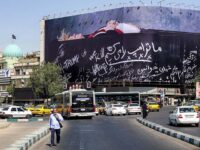
Iran’s latest propaganda stunt—plastering a massive billboard of President Trump inside a coffin on a Tehran thoroughfare—may look like crude theater, but it’s a calculated reminder that the same regime that chants “Death to America” also arms and funds the cartels and terror networks that threaten U.S. streets. For Second Amendment advocates, the image is less about Trump personally and more about the enduring reality that authoritarian states view an armed citizenry as their greatest obstacle; they prefer their adversaries disarmed, dependent, and easily intimidated. The billboard is therefore a back-handed compliment: it concedes that a pro-2A leader who restored maximum pressure on Tehran, green-lit the Abraham Accords, and kept the IRGC on its heels was a genuine threat to their ambitions.
That threat is not abstract. Iran’s ballistic-missile and drone programs, its growing influence over Latin American drug corridors, and its history of plotting assassinations on U.S. soil all underscore why an armed, vigilant populace remains the ultimate backstop against foreign and domestic enemies alike. When the regime in Tehran signals that it wants American leadership “in a coffin,” it simultaneously signals that it fears an America whose citizens can lawfully meet force with force. The billboard is thus a recruiting poster for the very right the Founders enshrined: the individual right to keep and bear arms as a deterrent to tyranny, whether it flies the Stars and Stripes or the flag of the Islamic Republic.
For the 2A community, the takeaway is straightforward—policy, not personality, drives these outbursts. Any administration that re-imposes sanctions, arms Israel and Gulf partners, and refuses to legitimize Iran’s nuclear timeline strengthens the security environment that makes private firearm ownership both a constitutional right and a practical necessity. The coffin billboard may be meant to frighten, but it inadvertently validates the Founders’ logic: a free people who can defend themselves are far harder to bury than their adversaries would like.


