

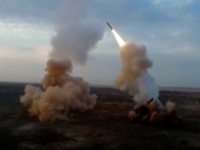
Iran’s sudden escalation across the Strait of Hormuz and into neighboring airspace is a textbook reminder that when governments decide to weaponize geography, civilians and commerce become the first casualties. By striking ports, airfields, and energy infrastructure in Oman, the UAE, and Saudi Arabia, Tehran is attempting to close the world’s most critical oil artery and simultaneously punish Sunni Gulf states that have quietly deepened security ties with the United States and Israel. The move is less about “resistance” than about regime survival: sanctions have hollowed out Iran’s conventional forces, so its leaders are gambling that short, spectacular missile and drone barrages can restore deterrence and rally domestic hardliners before the next round of protests.
For the 2A community the takeaway is immediate and practical. Every time a choke-point like Hormuz flares, global supply chains for precision optics, barrels, and specialty steels tighten overnight; shooters who waited for the next sale on imported components are now competing with defense contractors for the same finite inventory. More importantly, the images of burning tankers and cratered runways reinforce why an armed citizenry matters: when state-on-state conflict erupts, governments prioritize their own forces and infrastructure, leaving private citizens to secure homes, neighborhoods, and fuel supplies. The right to keep and bear arms is not an abstraction in these moments; it is the difference between waiting for a convoy that may never come and being able to protect family and property until order is restored.
Finally, the episode spotlights how fragile the post–Cold War assumption of uninterrupted commerce really is. A single week of Hormuz closures could spike ammunition and optics prices the way 2020 did, only this time the disruption would be measured in months rather than weeks. That reality should sharpen the community’s focus on domestic manufacturing capacity, redundant supply lines, and the legislative defense of those supply lines against future export controls or emergency nationalization. In short, Iran’s gamble is a live-fire demonstration that peace is not guaranteed by treaties alone; it is underwritten by citizens who remain equipped, trained, and legally empowered to defend themselves when the map redraws itself overnight.


