

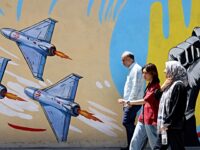
Iran’s decision to push its proxy terror campaign into Jordan and Qatar marks a dangerous escalation that should alarm anyone who values self-reliance and the right to keep and bear arms. While the regime in Tehran has long used cut-outs like Hezbollah and the Houthis to strike at Israel and Saudi interests, the new bombings inside two relatively stable Gulf states signal that the ayatollahs are willing to destabilize even their own neighborhood when it suits their regional ambitions. For Americans watching from afar, the lesson is clear: governments that disarm their citizens or rely solely on distant alliances leave their populations exposed when the next wave of Iranian-backed violence arrives at their doorstep.
Jordan has long been viewed as a quiet buffer between Israel and the chaos farther east, yet the recent attacks prove that buffer is thinner than advertised. Qatar, meanwhile, has tried to buy influence by hosting Hamas leaders and funneling cash to the Muslim Brotherhood; now it is reaping the predictable blowback. Both countries maintain strict gun-control regimes that leave ordinary citizens defenseless against the kind of coordinated bombings and ambushes Iran’s proxies specialize in. The 2A community has watched similar patterns play out from Afghanistan to Lebanon: when only the state or its favored militias hold firepower, civilians become targets rather than stakeholders in their own security.
The broader implication for American gun owners is that the same ideological forces pushing gun confiscation here also cheer the disarmament of populations abroad. Every time a foreign regime or its terror clients demonstrate that an unarmed populace cannot deter or survive sudden violence, they hand domestic anti-2A activists fresh talking points about “military-style weapons” while ignoring the real-world evidence that armed citizens deter crime and slow insurgencies. Iran’s widening footprint should remind us that peace is not a permanent condition granted by treaties or international bodies; it is maintained by populations willing and equipped to defend themselves when the next bomb goes off.


