

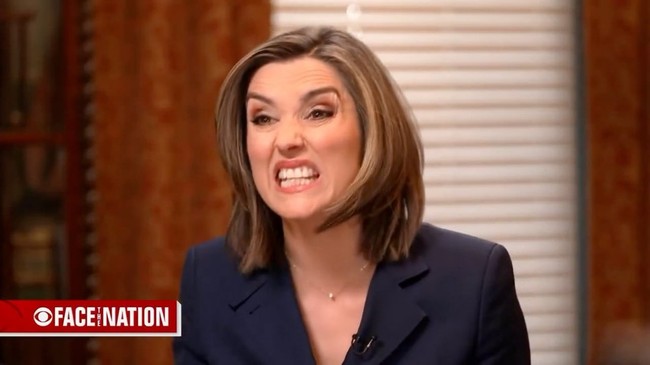
Margaret Brennan’s on-air frustration with Rep. Byron Donalds wasn’t really about Temporary Protected Status; it was about the media’s refusal to admit that “temporary” has become a permanent loophole for importing voters and diluting the rule of law. Donalds correctly pointed out that TPS was never designed to be an open-ended amnesty pipeline, yet Brennan treated the very notion of enforcing the statute’s expiration date as some sort of moral crisis. The exchange revealed how legacy outlets now frame any discussion of immigration enforcement as inherently suspect, even when the law itself is crystal clear.
For the 2A community, this rhetorical sleight-of-hand matters because the same institutional voices that insist TPS must be evergreen are also the ones who insist that law-abiding citizens must accept “common-sense” restrictions on firearms. Both positions rest on the premise that statutes are suggestions until the administrative state decides otherwise. When the federal government can quietly convert a temporary humanitarian designation into de-facto permanent residency for hundreds of thousands of people, it signals that constitutional rights are equally malleable. The right to keep and bear arms is only as secure as the political culture’s willingness to treat written limits on power as binding rather than optional.
The deeper implication is demographic and electoral. Importing populations whose first political experience in the United States is framed as “rescue from Republican enforcement” tilts future apportionment and Electoral College math before those individuals ever fire a shot—literally or figuratively. Pro-2A advocates who focus solely on magazine bans while ignoring immigration enforcement are guarding the second floor of a house whose foundation is being re-poured. Byron Donalds’ insistence that TPS remain temporary is therefore not a niche immigration stance; it is a necessary condition for preserving the political preconditions that make robust Second Amendment protections sustainable.


