

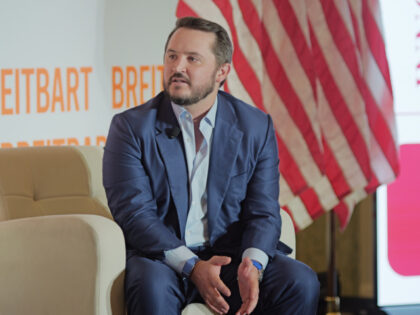
Taylor Budowich’s blunt assessment that AI is erasing the need for an Ivy League pedigree is more than a labor-market observation—it’s a quiet revolution in how the Second Amendment community can level the playing field against well-funded, credentialed opponents. For decades, legacy media and Beltway think tanks have leaned on pedigreed spokespeople to frame gun policy debates; now, small grassroots organizations and individual advocates can deploy AI tools to crunch ATF trace data, model the downstream effects of proposed rules, and generate rapid-response op-eds that rival anything produced inside the Acela corridor. The result is an information ecosystem where a motivated shooter-turned-analyst in rural Texas can out-research a congressional staffer without ever setting foot on campus.
That shift carries strategic weight. When compliance costs for Federal Firearms Licensees spike under new ATF “frame or receiver” definitions, AI can scan thousands of pages of Federal Register notices overnight, flag ambiguities, and draft model variance requests—tasks that once required expensive outside counsel. Likewise, state-level groups facing magazine-ban litigation can use large-language models to cross-reference historical sales data with crime statistics, producing evidence packets that stand up under Daubert scrutiny. In short, the same technology Budowich praises for “business efficiencies” is quietly arming the pro-2A movement with the analytical horsepower that once belonged exclusively to institutional gun-control advocates.
The deeper implication is cultural. If a Yale degree is no longer the gatekeeper to credibility, then the lived experience of competitive shooters, gunsmiths, and veterans gains new authority in policy circles. AI won’t replace that authenticity; it will amplify it—turning kitchen-table insights into data visualizations and turning range chatter into legislative testimony. The winners will be those who treat the technology not as a novelty but as a force-multiplier for the timeless argument that an armed populace remains the ultimate check on centralized power.


