

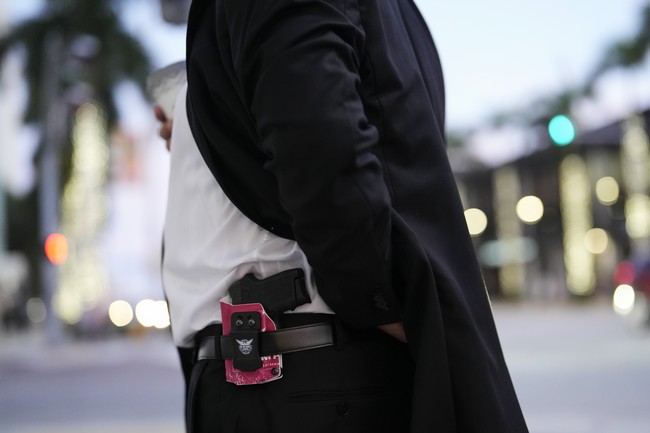
The Hemani decision just punched a hole in Pennsylvania’s lifetime carry ban for minor drug offenses, and the Gun Owners of America wasted no time driving a truck through it. By suing the state over the same prohibition that Hemani exposed as constitutionally shaky, GOA is forcing courts to confront whether a decades-old misdemeanor for a joint or a pill should permanently strip someone of their Second Amendment rights. The move isn’t just tactical; it’s a deliberate escalation that treats the post-Bruin landscape as an invitation to dismantle the entire web of status-based disqualifiers rather than nibble around the edges.
What makes this case especially potent is how cleanly it maps onto the Supreme Court’s new test: historical analogues must be “relevantly similar” in both why and how they burden the right to keep and bear arms. Pennsylvania’s lifetime ban for low-level drug crimes has no founding-era parallel that disarmed citizens for non-violent, non-felonious conduct, and the state’s fallback to “public safety” generalizations is exactly the kind of interest-balancing Bruen rejected. If GOA prevails, the precedent will ripple far beyond Pennsylvania, giving other groups a ready-made template to challenge similar lifetime prohibitions in states that still treat minor drug offenses as permanent disqualifiers.
For the broader 2A community this litigation signals that the post-Hemani window is open and that incremental wins are no longer the ceiling. Every successful challenge to a status-based ban narrows the government’s ability to create permanent second-class citizens out of people who never committed a violent crime, and it keeps pressure on lower courts that might otherwise drag their feet. The real prize isn’t just restoring rights to a handful of Pennsylvanians; it’s locking in a precedent that treats the right to bear arms as the default and forces the state to justify every exception with actual history rather than modern policy preferences.


