

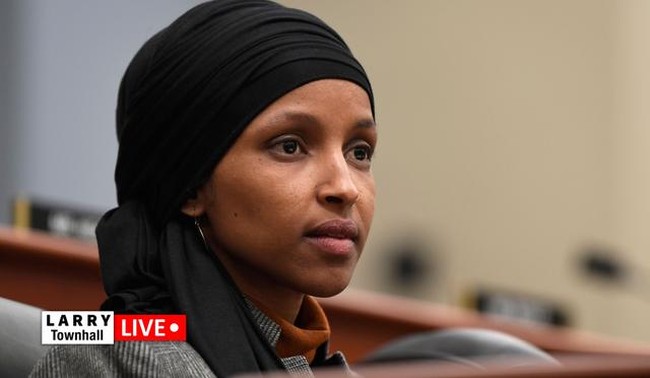
In a moment that should alarm every American who values the rule of law, Rep. Ilhan Omar was caught on camera casually admitting she keeps “her people” in mind first—language that instantly undercuts the oath she swore to the Constitution. The clip, aired on Larry O’Connor’s show, shows the Minnesota Democrat framing her legislative priorities around an identity group rather than the citizens who elected her, a slip that hands critics a rare, unfiltered look at the dual-loyalty problem many have long suspected. For the firearms community the takeaway is blunt: when an elected official signals that her allegiance lies elsewhere, every bill she touches—from red-flag laws to magazine bans—must be read as potentially serving that narrower constituency rather than the broader constitutional order.
The deeper danger lies in how such rhetoric normalizes the idea that constitutional rights are negotiable based on tribal affiliation. Second Amendment supporters have watched this mindset creep into policy debates for years, whether it’s sanctuary-city mayors ignoring federal immigration statutes or state legislators carving out gun-free zones that only law-abiding citizens obey. Omar’s admission crystallizes the risk: if lawmakers begin to view the Bill of Rights as a menu rather than a fixed contract, the right to keep and bear arms becomes just another bargaining chip in identity-driven horse-trading. That is precisely why pro-2A voters must treat every election as a referendum on whether representatives still see themselves as servants of the entire Constitution or as ethnic power brokers.
Ultimately, the episode underscores why vigilance at the ballot box and in the courts remains non-negotiable. When politicians telegraph that their first loyalty is to “their people,” the only reliable safeguard for gun owners is an unapologetic defense of individual rights that do not depend on race, religion, or political favor. The camera may have caught Omar in an unguarded remark, but the real exposure is the mindset it reveals—one that 2A advocates cannot afford to ignore.


