

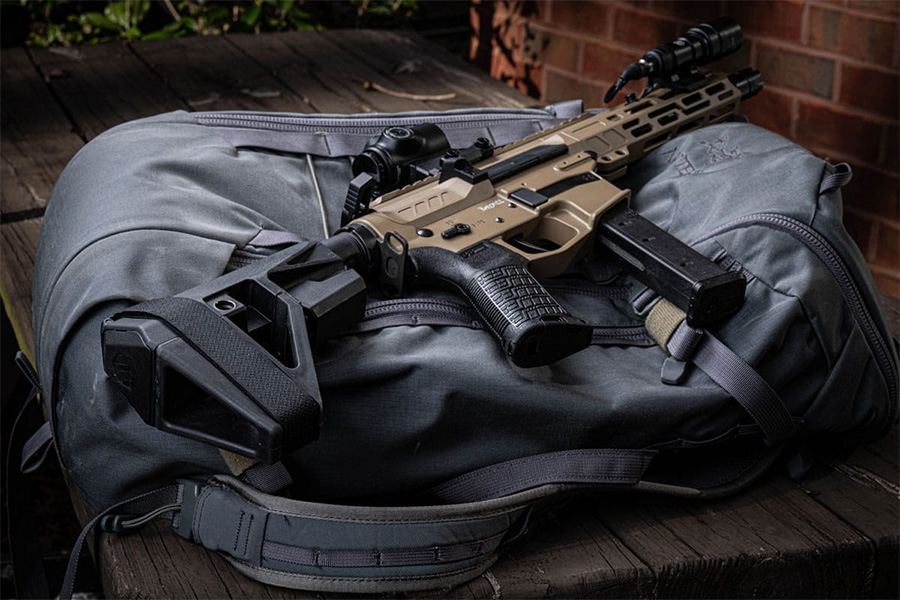
The recent ATF enforcement actions against braced pistols serve as a stark reminder that the regulatory landscape for firearms remains a minefield where even previously “settled” configurations can suddenly become liabilities. What makes this development particularly galling is how the agency appears to be leveraging prosecutorial discretion and vague interpretations of the National Firearms Act to target owners who relied in good faith on earlier guidance. For the 2A community, this isn’t merely about a brace or a buffer tube—it’s about the principle that law-abiding citizens shouldn’t have to navigate shifting bureaucratic goalposts that can turn a legal purchase into a felony overnight.
The broader implication is that the administrative state continues to expand its reach through reinterpretation rather than legislation, effectively criminalizing conduct that Congress never clearly prohibited. This approach chills innovation in the firearms industry and forces manufacturers and consumers alike into a defensive crouch, wary that any new product or accessory might later be deemed unlawful. It also underscores why organizations like the NRA, GOA, and FPC remain essential: without aggressive litigation and legislative pushback, agencies will continue to test the outer bounds of their authority, knowing that most individuals lack the resources to fight back.
Ultimately, these cases highlight a troubling asymmetry in how the rules are applied—while violent criminals often receive leniency, peaceable gun owners face the full weight of federal enforcement for paperwork violations or accessory choices. The 2A community must treat this not as an isolated skirmish over braces, but as part of a larger pattern of regulatory creep that demands vigilance, political engagement, and a willingness to challenge overreach in court.


