

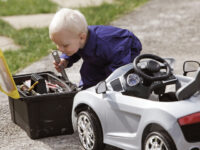
When a young Idaho boy’s dream of a kid-sized garage became reality after he beat a brain tumor, the story resonated far beyond the local news cycle because it captured something the firearms community instinctively understands: the right to build, tinker, and pass skills to the next generation is inseparable from the right to keep and bear arms. The garage itself is more than a playhouse; it’s a miniature workshop where a child can learn the safe handling of tools, the discipline of maintenance, and the pride of ownership—foundational habits that translate directly to responsible firearm ownership later in life. In an era when some policymakers treat youth exposure to anything mechanical or potentially dangerous as suspect, this story quietly affirms that supervised, age-appropriate responsibility builds character rather than risk.
The boy’s recovery and the community effort that delivered his garage also underscore a deeper truth about the 2A ecosystem: the same spirit of mutual aid and self-reliance that drives private citizens to fund cancer research, build adaptive equipment, or teach marksmanship also fuels the defense of constitutional rights. When neighbors, veterans, and small-business owners rally around a child’s project, they’re modeling the decentralized, voluntary networks that have historically preserved both liberty and safety more effectively than distant bureaucracies. For the firearms community, the lesson is clear—every story that celebrates hands-on competence and community initiative is an implicit rebuttal to the narrative that only government programs can keep children safe or give them purpose.
Finally, the timing matters. As debates rage over “assault-weapon” bans and magazine restrictions that hinge on cosmetic features or capacity limits, this child’s garage stands as a tangible reminder that mechanical aptitude and personal responsibility are not threats to be regulated away; they are the cultural soil in which safe gun ownership grows. By spotlighting victories like this one, Second Amendment advocates can shift the conversation from abstract fears to concrete examples of how freedom, craftsmanship, and resilience reinforce one another—one miniature workbench at a time.


