

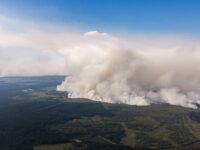
Belgium’s wildfire crisis is a textbook reminder that when seconds count, the cavalry is rarely minutes away. With hundreds displaced and emergency services stretched thin, the footage of residents watching their homes burn from behind hastily erected barriers should hit every gun owner right in the gut. The same people who spent years arguing that “it can’t happen here” are now learning the hard way that nature doesn’t negotiate and that the only reliable first responder is the one who already lives under your roof.
For the 2A community, the takeaway isn’t just about personal defense; it’s about the broader principle of self-reliance. When evacuation orders come, the ability to protect family, livestock, or a retreat property often falls to the individual with a rifle and a plan, not the distant bureaucrat issuing press releases. Belgium’s strict gun laws didn’t stop the fire; they simply guaranteed that anyone left behind would face the aftermath unarmed and dependent. That asymmetry is exactly why American gun culture still prizes both marksmanship and the legal framework that keeps the tools of last resort in civilian hands.
The larger implication is cultural as much as practical. Every headline about overwhelmed responders in Europe quietly reinforces the American argument that rights are exercised, not outsourced. The next time a politician claims “you don’t need that,” the images from Belgium offer a ready rebuttal: when the state’s capacity ends at the edge of the evacuation zone, the Second Amendment begins.


