

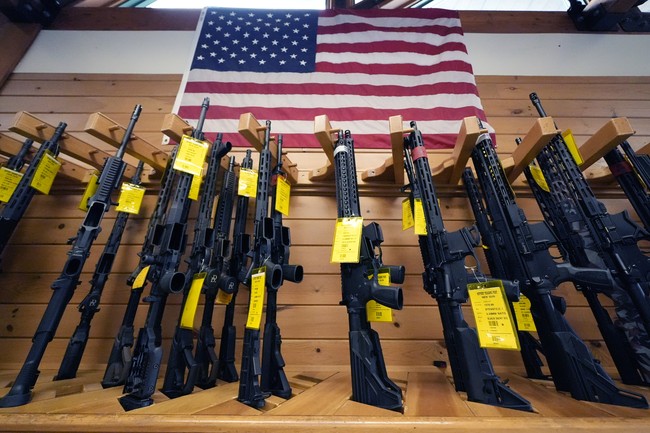
Virginia’s push for an assault-weapons ban collapsed under the weight of its own contradictions, and the fallout is still reverberating through Richmond. Lawmakers tried to ram through a sweeping prohibition that would have criminalized the most popular semi-automatic rifles in the state, only to watch the measure implode when rural Democrats joined Republicans in rejecting it. The episode exposed how little appetite even moderate legislators have for measures that treat millions of law-abiding owners as presumptive criminals, and it handed the gun-rights community a textbook example of how grassroots mobilization can flip the script on what was supposed to be a slam-dunk for the gun-control lobby.
What makes the defeat especially instructive is the way it revealed the gap between coastal talking points and actual constituent pressure. Gun owners showed up in force at committee hearings, flooded legislators with data on crime rates and defensive gun uses, and reminded lawmakers that Virginia’s existing background-check and magazine laws already place the state well above the national average for regulatory stringency. The result was not merely the survival of a product category; it was a public demonstration that the “assault weapon” label is a political construct rather than a coherent public-safety category—an argument that resonates far beyond the Old Dominion.
For the broader Second Amendment community the lesson is clear: sustained, localized engagement still beats top-down national narratives. Every time a legislature blinks on magazine bans or feature-based prohibitions, it reinforces the precedent that gun owners are a durable voting bloc rather than a fringe to be managed. That precedent travels; other states watching Virginia’s reversal now have fresh evidence that aggressive gun-control packages can be stopped without conceding the moral high ground or the data.


