

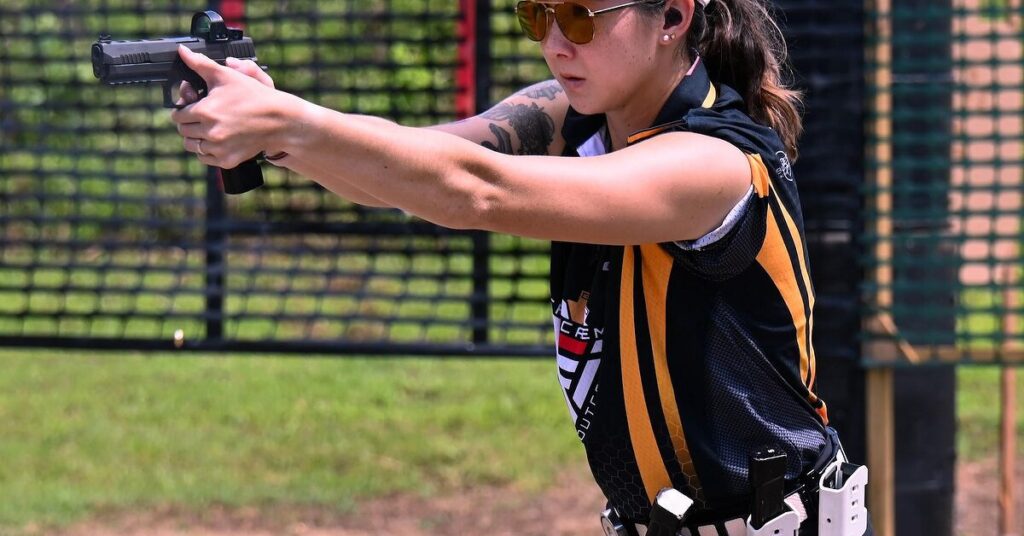
Shooting your first USPSA match is less about trophies and more about proving to yourself—and to the culture—that safe, skilled gun handling is a living, breathing tradition rather than a static range exercise. The moment you step into the box, timer in hand and movement stages ahead, you’re participating in a merit-based meritocracy that rewards split-second decisions, crisp reloads, and footwork that lane drills alone can’t teach. That transition from static paper punching to dynamic problem-solving is exactly why competitive shooting has become the graduate school of American gun culture: it turns ownership into proficiency and ownership into community.
For the broader Second-Amendment ecosystem, these matches serve as both laboratory and loudspeaker. Every new shooter who learns to keep a finger indexed, call hits on the move, and reset a holster under RO supervision is quietly building the empirical case that America’s armed citizenry is neither reckless nor stagnant. Local clubs become recruitment hubs, match scores become résumé lines for instructors, and the shared language of “A-zone,” “mike,” and “procedural” stitches together strangers who might otherwise only meet at the ballot box. In an era when rights are defended as much in public perception as in courtrooms, the sight of hundreds of citizens running stages with clockwork precision is its own form of cultural deterrence.
The ripple effects extend beyond the berm. Families who once treated the gun safe as a seasonal hunting locker now schedule weekends around classifier stages, turning hobby into heritage. Junior competitors cut their teeth on .22 pistols while parents trade tips on stage breakdown, ensuring that safe gun handling passes to the next generation with muscle memory rather than mere memorization. In short, the first USPSA match you attend isn’t just another notch on your belt—it’s an investment in the living argument that an armed, trained populace remains the most practical safeguard of liberty.


