

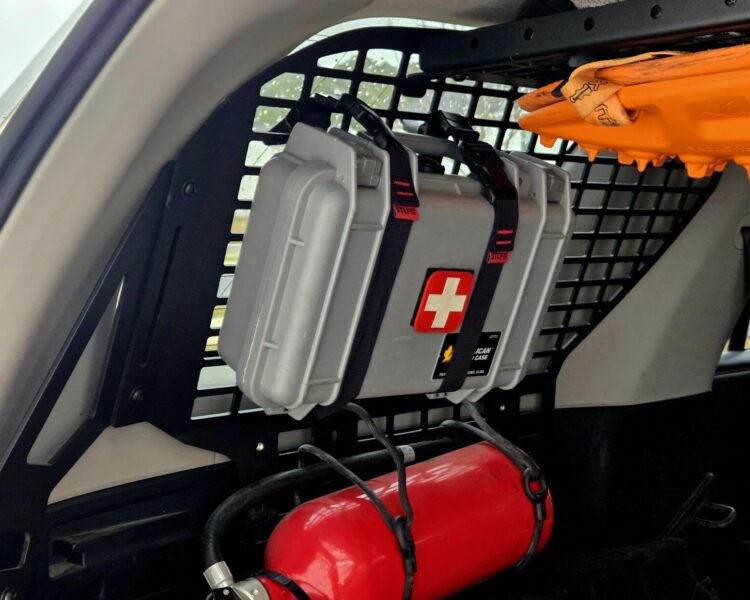
Firearms training carries inherent risk. Here’s how to set up a dedicated range medevac vehicle and build a strong plan for emergency patient transport. While many ranges treat medical emergencies as an afterthought, the serious 2A community understands that true preparedness means assuming the worst will eventually happen on your watch. A properly equipped medevac vehicle transforms a reactive panic into a calculated, life-saving response that keeps the fight going when seconds matter most.
The foundation starts with vehicle selection and deliberate outfitting. Think beyond throwing a first aid kit in the trunk of someone’s truck. A dedicated medevac rig should feature rapid-access trauma bags stocked with tourniquets, pressure dressings, chest seals, hemostatic agents, and airway management tools. IV fluids, a portable oxygen setup, and even a compact AED find their place in smart configurations that prioritize speed over bulk. The smartest range operators designate specific roles, establish primary and alternate routes to trauma centers, and maintain updated blood run contacts with local hospitals. This isn’t paranoia; it’s the same mindset that drives quality firearms training in the first place: mastery through preparation.
For the Second Amendment community, this level of operational readiness carries deeper implications. Every time an instructor or student is lost to a preventable medical emergency, the antis gain another talking point about how dangerous our culture supposedly is. By treating range medical response with the same professionalism we apply to marksmanship and tactics, we demonstrate the responsibility that comes with our rights. A well-equipped medevac vehicle doesn’t just save lives, it protects the culture, the ranges, and the future of firearms training itself. The prepared patriot doesn’t just carry a rifle; he ensures the entire team makes it home.


