

In a move that underscores the growing tension between financial surveillance and Second Amendment rights, the House has passed legislation aimed at preventing banks and credit card companies from flagging or categorizing firearm purchases in ways that could expose law-abiding gun owners to unwarranted scrutiny. This isn’t merely a technical tweak to payment processing codes—it’s a direct response to reports that major financial institutions were exploring merchant category codes specifically for gun and ammunition retailers, effectively creating a digital paper trail that could be mined by regulators, activists, or even future administrations hostile to private firearm ownership. For the 2A community, the bill represents a rare legislative acknowledgment that privacy in transactions is inseparable from the practical exercise of constitutional rights; without it, the ability to buy, sell, or even possess firearms could be chilled through backdoor financial pressure rather than outright bans.
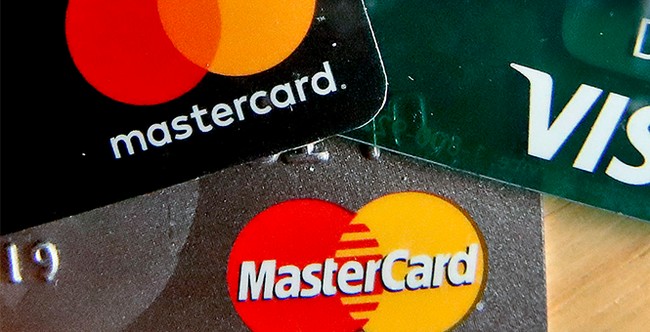
What makes this development particularly sharp is how it exposes the modern battlefield for gun rights: not just courtrooms and statehouses, but the boardrooms of Visa, Mastercard, and their banking partners. Pro-2A advocates have long warned that de-banking, insurance cancellations, and payment processor blacklisting could achieve what legislation alone cannot—marginalizing gun owners economically without ever touching the Constitution’s text. By blocking these tracking mechanisms, Congress is pushing back against a form of soft tyranny where private corporations act as proxies for political agendas, potentially sharing data with federal agencies under the guise of “risk assessment.” The implications stretch beyond today’s headlines; if financial institutions can categorize and monitor gun sales, the same infrastructure could later be weaponized against other constitutionally protected activities, from religious donations to political contributions.
For gun owners, this vote is both a tactical win and a strategic reminder: the fight to keep and bear arms now requires vigilance over every layer of modern life, including the payment rails that power the economy. While the bill still faces Senate hurdles and potential executive resistance, its passage signals that lawmakers are finally recognizing financial privacy as a core component of self-defense rights. The 2A community should treat this not as an endpoint but as validation that their concerns about creeping surveillance are legitimate—and that sustained pressure on both elected officials and corporate gatekeepers will be necessary to prevent the slow erosion of liberty through spreadsheets and transaction logs.


