

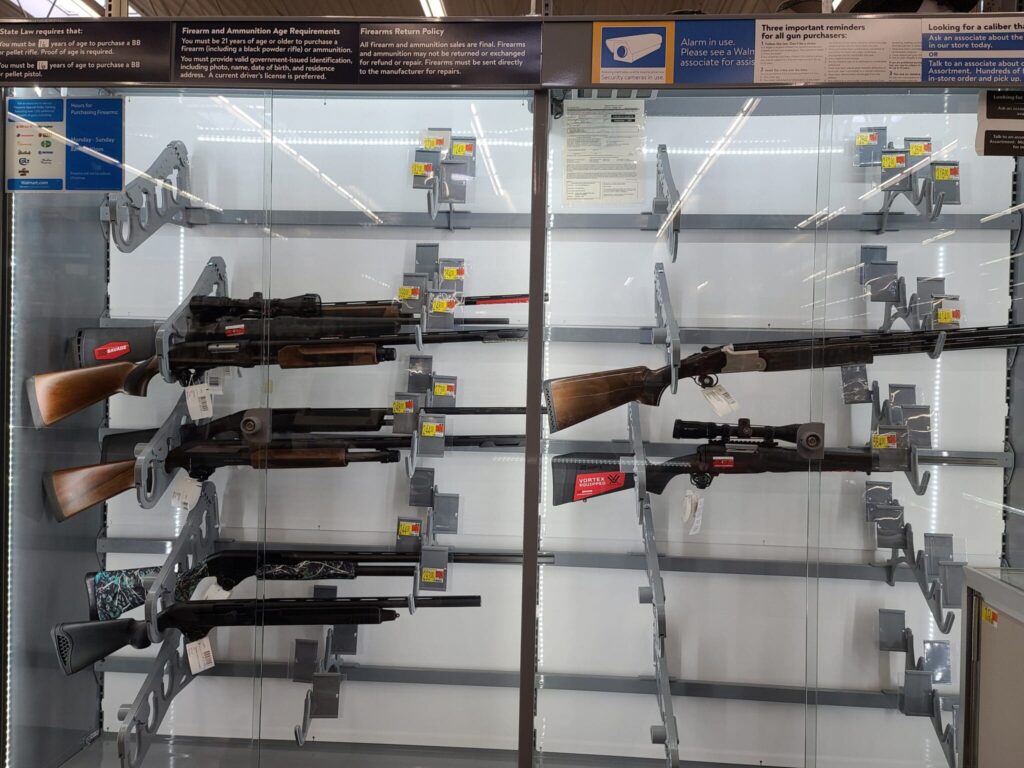
In a move that should raise eyebrows across the firearms industry, the House has passed legislation that would bar credit card companies from using specialized merchant category codes to single out gun retailers. This isn’t just a technical tweak to payment processing; it’s a direct response to the quiet but persistent effort by financial institutions to create a de-facto registry of lawful gun purchases. By forcing issuers to treat gun stores like any other retailer, Congress is pushing back against the creeping financial surveillance that has already seen banks quietly flag, monitor, or even restrict transactions involving firearms and ammunition. For the 2A community, this bill is a reminder that the right to keep and bear arms extends beyond the point of sale—it includes the right to transact without being automatically categorized as a potential threat.
The real story here isn’t just about merchant codes; it’s about the broader pattern of using private financial infrastructure to achieve what gun-control advocates have failed to accomplish through legislation. When credit card networks began exploring these codes last year, the stated goal was “public safety,” but the practical effect would have been a nationwide database of every lawful gun buyer who used plastic. That kind of granular tracking data is exactly what anti-2A activists have long sought, and it’s telling that the push came from the same circles that have pressured banks to drop relationships with gun manufacturers and retailers. By passing this bill, the House is drawing a line: the financial system should not be weaponized to create an end-run around constitutional protections.
For gun owners and the industry alike, the implications are significant. If this measure becomes law, it removes one more tool from the toolkit of those who would prefer to make lawful firearm ownership as inconvenient and visible as possible. It also signals that Congress is finally waking up to the fact that financial de-banking and surveillance can be just as effective at chilling rights as outright bans. The 2A community should treat this as both a win and a warning—victories in the payment space are rare, and they only come when lawmakers recognize that the Second Amendment doesn’t stop at the gun counter.


