

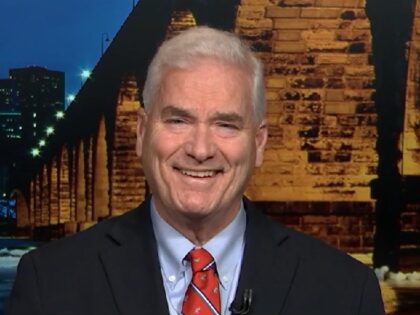
House GOP Whip Tom Emmer is right to demand answers from acting Attorney General Todd Blanche regarding the so-called anti-weaponization fund, and the Second Amendment community should be paying close attention. For years, gun owners have watched federal law enforcement agencies, particularly elements within the DOJ and ATF, treat lawful firearm ownership as a suspect activity rather than a constitutionally protected right. This fund, whatever its official title, smells like another bureaucratic slush fund potentially designed to launder political targeting under the guise of oversight. When congressional leadership starts asking for transparency on how these dollars are allocated and who ultimately benefits from “anti-weaponization” initiatives, it signals growing recognition that the administrative state has been weaponized against disfavored groups, including millions of law-abiding gun owners.
The implications here run deeper than typical Washington theater. For the 2A community, this is about more than just stopping the next rogue rule from the ATF. It’s about exposing how federal resources have been funneled into initiatives that chill protected speech, monitor gun owners through financial surveillance, and push prosecutorial discretion toward high-profile gun cases that serve political narratives rather than public safety. Emmer’s call to hear directly from Blanche isn’t partisan grandstanding; it’s an overdue demand for accountability in an agency that has repeatedly overstepped its authority on everything from pistol braces and bump stocks to redefining what constitutes a “firearm.” If that money trail leads back to activist-style enforcement or partnerships with gun-control organizations, it could validate what many in the firearms world have suspected for years: that elements of the federal government view the exercise of Second Amendment rights as a problem to be managed rather than a liberty to be defended.
What happens next matters. If congressional Republicans follow through with real oversight instead of soundbites, it could set the stage for meaningful reforms that rein in regulatory overreach and restore impartial enforcement of existing gun laws. The 2A community has grown tired of performative hearings. Real change would mean ending the selective prosecution games, defunding ideologically driven task forces, and ensuring that future administrations cannot easily repurpose “anti-weaponization” language to actually weaponize government against gun owners. Emmer opening this door is encouraging, but sustained pressure from voters, organizations, and pro-2A voices in Congress will determine whether this becomes another forgotten story or the beginning of a genuine course correction.


