

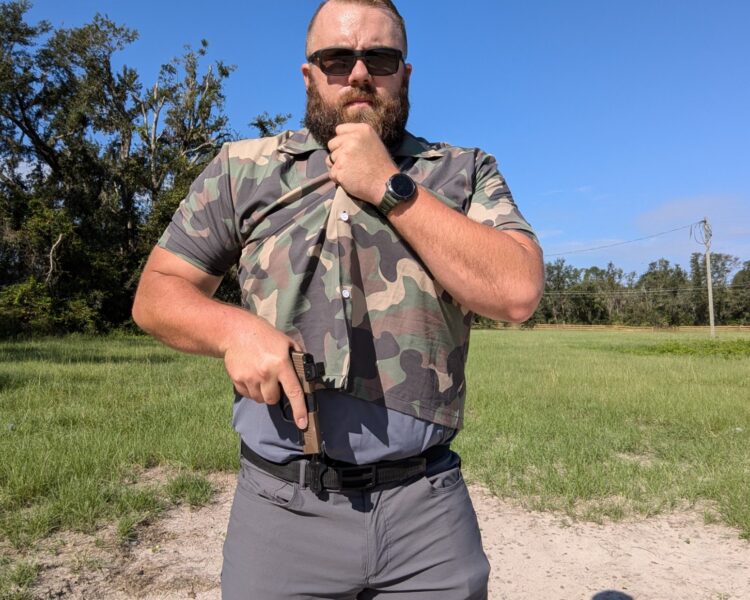
Mastering the draw stroke is far more than a range exercise—it’s the moment when legal self-defense transitions from theory to reality, and every fraction of a second counts. The sequence of grip, clear, rotate, and extend must become second nature so that under stress the body defaults to precision rather than panic. When shooters treat the draw as a single fluid motion instead of four separate steps, they shave critical time while simultaneously reducing the chance of a fumbling re-holster that could invite legal trouble later.
For the broader 2A community, consistent draw practice is both a tactical necessity and a cultural statement: it demonstrates that lawful carriers take safety and proficiency seriously, undercutting the narrative that armed citizens are inherently reckless. Dry-fire regimens, shot-timer drills, and video analysis turn the draw from a rote motion into measurable performance data, letting carriers prove—and improve—their readiness without exhausting live ammunition budgets.
Ultimately, the draw stroke is where individual responsibility and collective credibility intersect; every clean presentation reinforces the argument that millions of Americans can be trusted to carry, and every fumbled one risks handing opponents fresh ammunition in the court of public opinion.


