

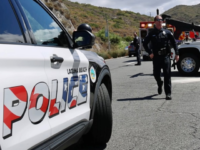
In the rugged backcountry of California, a sheepdog named Max didn’t just herd livestock—he herded first responders to a stranded hiker clinging to a cliffside, guiding the helicopter crew with uncanny precision until the rescue basket could be lowered. What makes this story more than a feel-good headline is the quiet reminder that the same instincts that make working dogs invaluable in the field—situational awareness, decisive action, and loyalty under pressure—are the very traits the 2A community celebrates in responsible armed citizens. When seconds count and official resources are stretched thin, it’s often the prepared individual, human or canine, who bridges the gap between crisis and survival.
For gun owners who train with their dogs for backcountry carry or rural property defense, Max’s story underscores a larger truth: freedom isn’t just about the hardware we carry, it’s about the competence and character we bring to any situation. The same mindset that drives millions of Americans to maintain proficiency with firearms also fuels a culture of readiness that extends to four-legged partners, satellite communicators, trauma kits, and the willingness to act when 911 is minutes—or hours—away. In an era when some policymakers would rather restrict tools than empower citizens, Max’s quick thinking is a four-paw rebuttal: self-reliance isn’t reckless; it’s often the difference between a headline and a tragedy.
The ripple effect for the 2A community is clear—stories like this quietly dismantle the narrative that only government agents can be trusted in emergencies. Whether it’s a rancher with a sidearm and a stock dog or a concealed carrier who stops to render aid, the pattern is the same: decentralized, prepared individuals outperform centralized systems that arrive late. Max didn’t wait for permission or policy; he saw a problem and solved it. That’s the spirit the Second Amendment protects—not just the right to keep and bear arms, but the broader right to be the hero in your own story when the state can’t be.


