

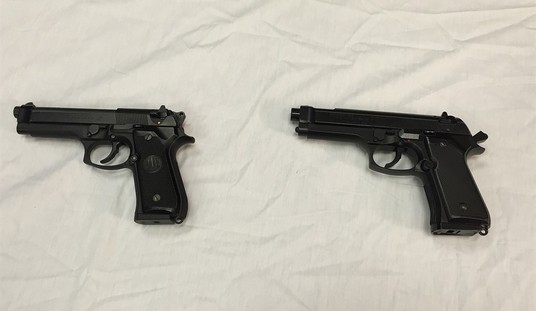
In Minnesota, a recent court ruling handed 2A advocates a meaningful win by striking down yet another attempt to criminalize the mere possession of realistic-looking air guns, and the timing couldn’t be more instructive. Police departments across the country have spent years insisting they can’t pause to distinguish a BB gun from a Glock when adrenaline is pumping, yet the same departments now face mounting evidence that many of those “indistinguishable” replicas are legally owned tools for training, pest control, and youth marksmanship. The court’s decision underscores a simple truth: when lawmakers and activists push policies that treat every black polymer object as a lethal threat, they erode the very presumption of innocence that once protected lawful gun owners from being treated like suspects on sight.
This legal development arrives against a backdrop of escalating political theater from anti-gun groups who treat every defensive shooting as proof that citizens—and by extension the officers who respond—must be stripped of split-second judgment. The practical effect is predictable: hesitation training that once emphasized rapid threat assessment is being replaced by policies that effectively tell officers to shoot first and litigate later, all while the same activists decry “police violence.” For the 2A community the message is clear—every restriction framed as “public safety” that blurs the line between toys and firearms ultimately hands police and prosecutors more power to criminalize ordinary Americans, not fewer reasons to fear what’s in someone’s hand.
The broader implication is that victories like Minnesota’s are no longer isolated skirmishes; they are necessary pushback against a coordinated effort to normalize the idea that any realistic-looking gun is automatically a capital offense. As more states see lawsuits exposing the constitutional infirmity of these replica bans, the 2A movement gains both precedent and public clarity: the right to keep and bear arms includes the right to possess training tools that look like the real thing, and no amount of political posturing changes the fact that criminals will always ignore the rules while law-abiding citizens bear the cost of new restrictions.


