

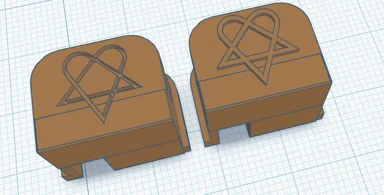
The heartagram turk is a 3D-printed Glock auto sear that turns a standard semi-automatic pistol into a full-auto machine gun with the pull of a trigger. This device, tagged with terms like “glockswitch” and “autosear,” is part of a growing wave of DIY firearm modifications that leverage additive manufacturing to bypass traditional manufacturing restrictions. While the 2A community often celebrates the democratization of gun-making technology, this particular innovation raises serious legal and safety concerns that go far beyond the usual debates about magazine capacity or feature bans.
From a legal standpoint, the heartagram turk falls squarely under the National Firearms Act’s definition of a machine gun, making its possession, manufacture, or transfer a federal felony punishable by up to 10 years in prison and $250,000 in fines. The ATF has already begun cracking down on similar devices, and the proliferation of these files on platforms like LBRY suggests enforcement will only intensify. For law-abiding gun owners, this creates a dangerous gray area where curiosity or experimentation could lead to life-altering legal consequences, especially when the technology is so accessible that even a moderately skilled 3D printer operator can produce one in hours.
The broader implication for the 2A community is that these devices threaten to provide ammunition—both literally and figuratively—for those seeking to restrict access to 3D printing technology and digital firearm files. When a single illegal modification can transform a legal Glock into an unregistered machine gun, it gives anti-gun legislators the perfect example to justify new restrictions on everything from printer filament to CAD file sharing. Responsible gun owners must recognize that defending the right to keep and bear arms also means rejecting modifications that cross clearly defined legal lines, lest the entire ecosystem of legal firearm innovation becomes collateral damage in the inevitable regulatory backlash.


