

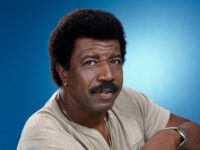
Hal Williams, the actor whose steady presence on shows like “Sanford and Son” and “227” helped define the look and feel of 1970s and ’80s Black sitcoms, has passed at 91. Those programs didn’t just entertain; they quietly normalized the idea that working-class families could own property, run businesses, and defend what they had built—values that sit at the heart of the Second Amendment. Williams’s characters were never gun-toting caricatures; they were neighbors, landlords, and fathers whose everyday dignity made the right to keep and bear arms feel like common sense rather than controversy.
In an era when Hollywood often portrayed armed citizens as either villains or buffoons, Williams’s understated authority on screen offered a counter-narrative: responsible Black men exercising the full spectrum of constitutional rights, including self-defense. His death lands at a moment when legacy media still struggles to cover lawful gun ownership in minority communities without reflexive skepticism, making his body of work a quiet but persistent rebuttal to that framing. For the 2A community, the loss is less about nostalgia and more about the reminder that cultural visibility matters—when audiences see stable, armed households on prime-time television, the abstract right becomes lived experience.
Williams’s passing also underscores how thin the bench of unapologetic, pro-self-defense voices remains in entertainment. As streaming platforms chase algorithms that reward conflict over competence, the kind of everyday normalcy he embodied is increasingly rare. The 2A movement would do well to remember that cultural ground is won not only in courtrooms and legislatures but in the living rooms where millions first absorb the idea that protecting one’s family is both natural and protected.


