

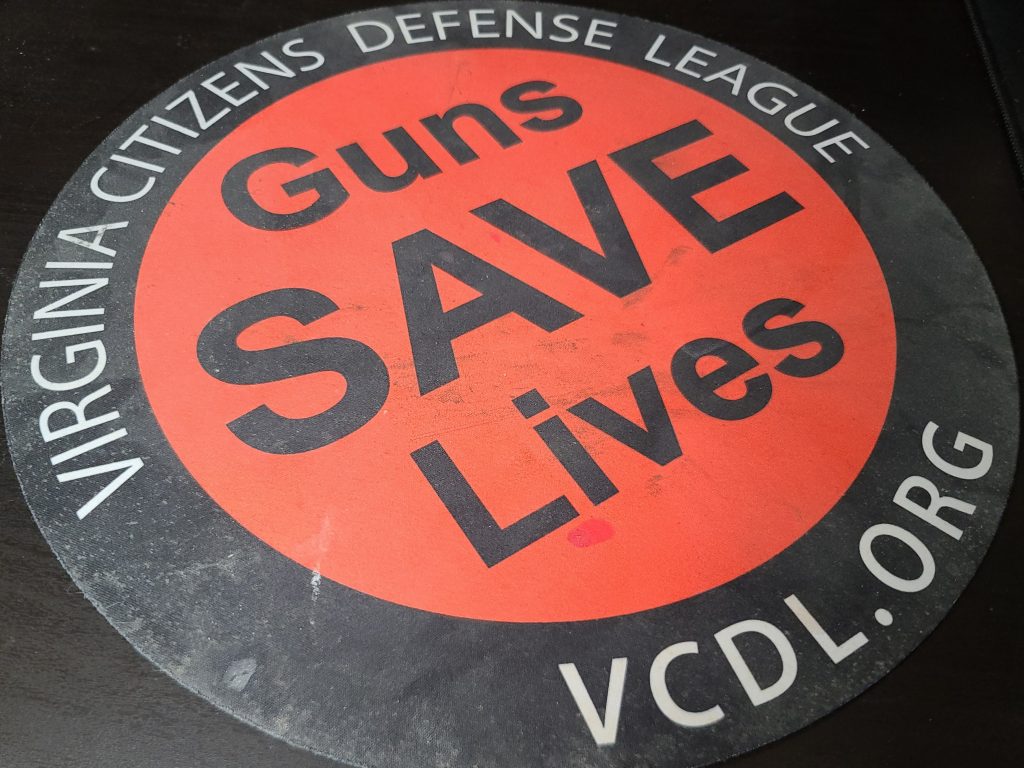
Gun-rights groups aren’t just filing lawsuits—they’re actively warning Virginia law enforcement that enforcing an enjoined background-check statute could expose officers to personal liability, a move that flips the usual script where agencies hide behind qualified immunity. By circulating cease-and-desist style advisories, groups like the Virginia Citizens Defense League and the Firearms Policy Coalition are turning the injunction into a practical shield: any officer who runs a check under the blocked law risks being named in a civil-rights suit, and departments that green-light enforcement could face budget-draining litigation funded by pro-2A donors. That’s a calculated escalation; it signals that the groups view the injunction not as a polite judicial pause but as a hard stop that must be respected on the street level, not merely in court filings.
The deeper implication is how this episode reframes “resistance” in the gun-control debate. For years, activists on the left have celebrated sanctuary-style non-cooperation with federal immigration enforcement; now the same logic is being weaponized by the right to nullify state-level gun measures that courts have already flagged as likely unconstitutional. If Virginia police departments heed the warnings and stand down, the episode becomes a live demonstration that enjoined laws can be rendered toothless without waiting for a final appellate ruling—an outcome that could embolden similar challenges in states eyeing magazine bans, red-flag laws, or expanded permitting regimes. Conversely, if agencies ignore the injunction and continue checks, the resulting lawsuits will test whether qualified-immunity doctrines still protect officers who enforce statutes a federal judge has already deemed probably invalid, potentially narrowing that protection in the process.
For the broader 2A community, the Virginia standoff is a reminder that victories in district courts are only as good as the willingness of local officials to honor them. The groups’ direct outreach to police isn’t theater; it’s an attempt to convert a paper injunction into operational reality, forcing departments to weigh political pressure from Richmond against the concrete risk of personal lawsuits. If the tactic succeeds, it could shift the cost-benefit calculation for state legislators contemplating new restrictions: the threat of immediate, street-level nullification plus civil exposure may prove more deterrent than the distant prospect of Supreme Court review. In short, the battle isn’t just about what the law says on paper—it’s about who controls whether that law ever gets applied.


