

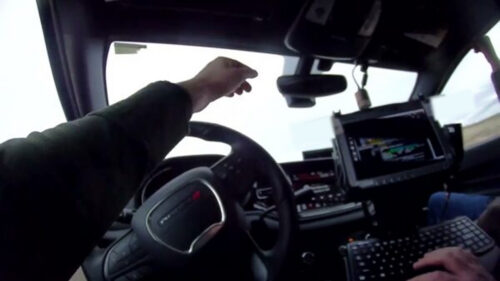
Eli Pagunsan’s Wyoming traffic stop is a textbook reminder that the Second Amendment doesn’t pause at the state line or evaporate when a trooper’s flashlight hits your window. After a routine pull-over, Pagunsan was ordered out of his vehicle, disarmed without probable cause, and treated like a suspected mule simply because he declined a consent search. The encounter dragged on for hours, yet the only “crime” on the table was his lawful carry and his insistence on keeping the Fourth Amendment intact. When the dust settled, the state cut a $40,000 check—an implicit admission that rights aren’t suggestions, and that violating them carries a price tag.
For the broader 2A community, the lesson isn’t just “record everything”; it’s that polite, consistent assertion of rights can convert an unconstitutional fishing expedition into a winnable lawsuit. Pagunsan didn’t escalate, didn’t argue, and didn’t consent; he simply refused to waive protections that exist precisely for moments like these. Departments that treat every armed motorist as a cartel courier are discovering that body-cam footage and cell-phone video now travel faster than their after-action reports, and juries are less forgiving than internal-affairs review boards. The settlement sends a clear market signal: training budgets that ignore constitutional limits are a liability line-item waiting to happen.
Ultimately, Pagunsan’s payout is small change compared with the precedent it reinforces—law-abiding carriers who know their rights and exercise them calmly are the most effective auditors the Bill of Rights has. Every time a department writes a check instead of doubling down, it recalibrates the cost-benefit analysis for the next deputy eyeing a “routine” search. In an era when states still push permitting schemes and “sensitive-place” maps, stories like this quietly expand the practical footprint of the Second Amendment by making its companion rights too expensive to ignore.


