

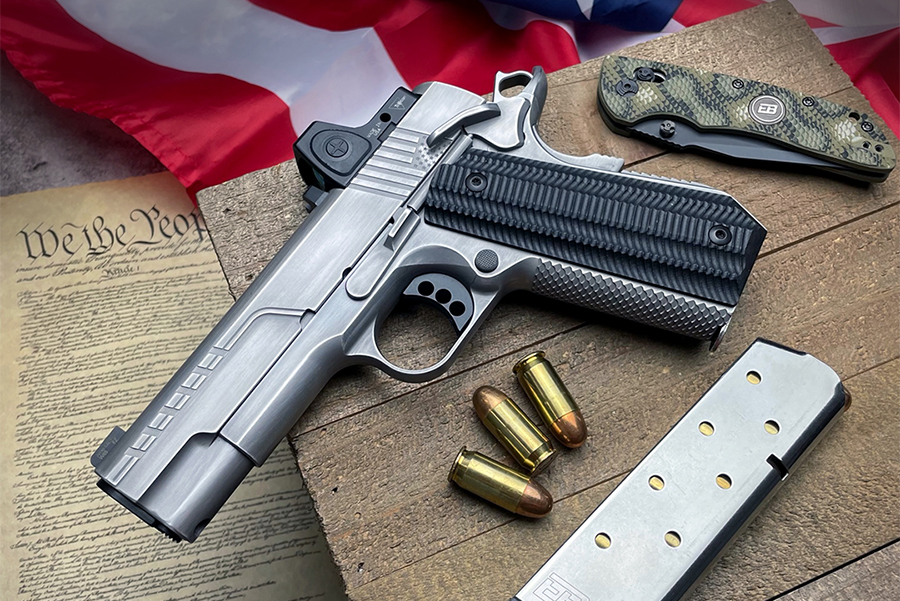
This Independence Day carries extra weight for gun owners because the Department of Justice has finally stepped off the sidelines and begun treating the Second Amendment like the enforceable constitutional right it is. After years of federal agencies either ignoring or actively undermining challenges to gun-control measures, the current administration’s willingness to defend the plain text of the amendment in courtrooms across the country marks a genuine shift in posture—one that could reshape everything from permitting schemes to magazine restrictions. The practical effect is already visible: states facing lawsuits over “sensitive places” bans and carry restrictions are suddenly negotiating rather than stonewalling, knowing the feds may no longer provide political cover or amicus support for their positions.
What makes this development especially potent is its timing and scope. With the Supreme Court’s Bruen decision still reverberating through lower courts, a DOJ that actually enforces the new standard rather than slow-walking or distorting it accelerates the process of pruning unconstitutional laws that have lingered for decades. Gun owners are watching not just high-profile cases but the quiet, day-to-day decisions—whether the department signs onto friend-of-the-court briefs, declines to defend indefensible regulations, or even initiates its own reviews of ATF rules. Each of these micro-moves signals to judges, legislators, and activists that the old assumption—that federal power would reflexively side against gun owners—is no longer reliable.
The longer-term implication is cultural as much as legal. When the nation’s chief law-enforcement agency treats the Second Amendment as a first-tier civil right rather than a grudging concession, it changes the Overton window for everything from school-safety policy to red-flag laws. Gun owners who have spent years litigating in hostile territory now have reason to believe the federal government will at least remain neutral, and sometimes affirmatively helpful, in protecting their rights. That shift, more than any single court victory, is what makes this Fourth of July feel like more than just another barbecue—it feels like a recalibration of the relationship between citizens and their government on the most fundamental question of self-defense.


