

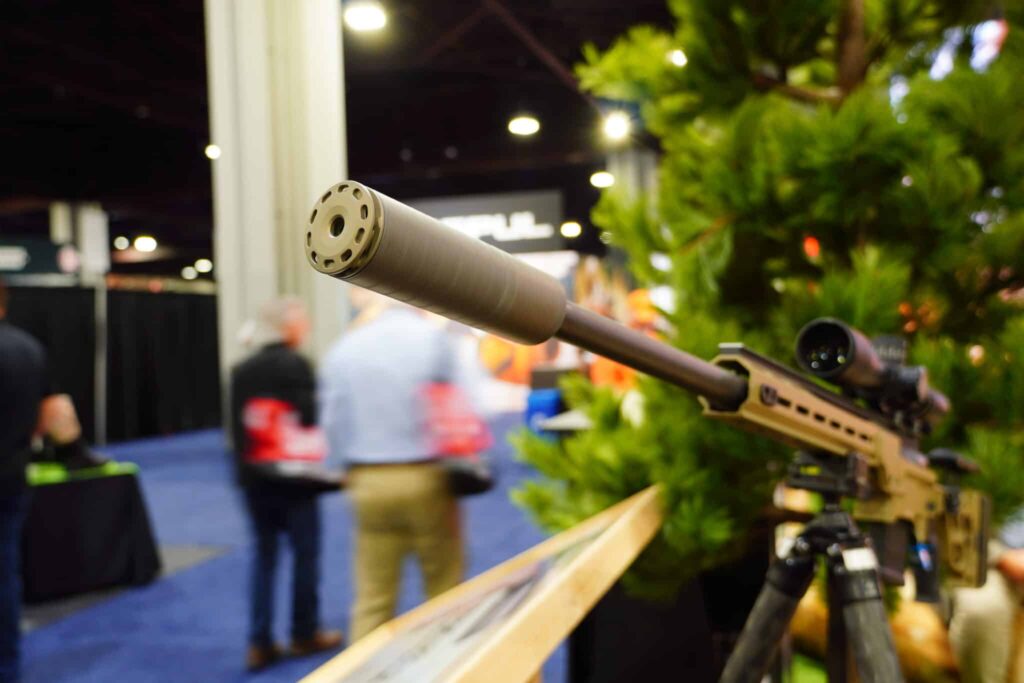
In a move that feels less like a loophole and more like a long-overdue correction, a gun-rights group and a Republican candidate just executed the first legal, unregistered silencer transfer in nearly a century—while the Department of Justice sat on its hands and missed its own appeal deadline. The transaction wasn’t a midnight back-alley deal; it was a deliberate, public act rooted in the argument that the National Firearms Act’s registration requirement for suppressors is an unconstitutional prior restraint on a core Second Amendment accessory. By letting the clock run out, DOJ effectively conceded the point, at least for now, handing the 2A community both a tangible precedent and a powerful rhetorical weapon.
What makes this moment especially sharp is how it reframes the entire NFA regime. For decades, the suppressor has been treated like a scarlet letter—tax-stamped, paper-trailed, and demonized in media as some sort of hit-man gadget—despite data showing they’re primarily safety devices that reduce hearing damage and neighbor complaints at public ranges. The transfer here didn’t just bypass paperwork; it spotlighted the arbitrary line the 1934 statute drew between “ordinary” firearms and those the government decided deserved extra scrutiny. If a silencer can move between two law-abiding parties without triggering federal registration, the logical next questions cascade: How many other NFA categories rest on similarly shaky constitutional ground? And how long before litigants test short-barreled rifles or AOWs with the same “missed-deadline” momentum?
For the broader gun-rights ecosystem, the takeaway is strategic as much as legal. Lawsuits alone rarely shift culture; visible, lawful acts of civil disobedience—paired with missed government deadlines—do. This episode hands activists a clean narrative: the regulatory state blinked, the people acted, and the sky didn’t fall. Expect copy-cat transfers, fresh litigation citing this case as de-facto deregulation, and a renewed push in Congress to repeal or neuter the NFA’s suppressor provisions altogether. In short, the 2A community just picked up both a working silencer and a working blueprint for peeling back a century of administrative overreach—one missed filing at a time.


