

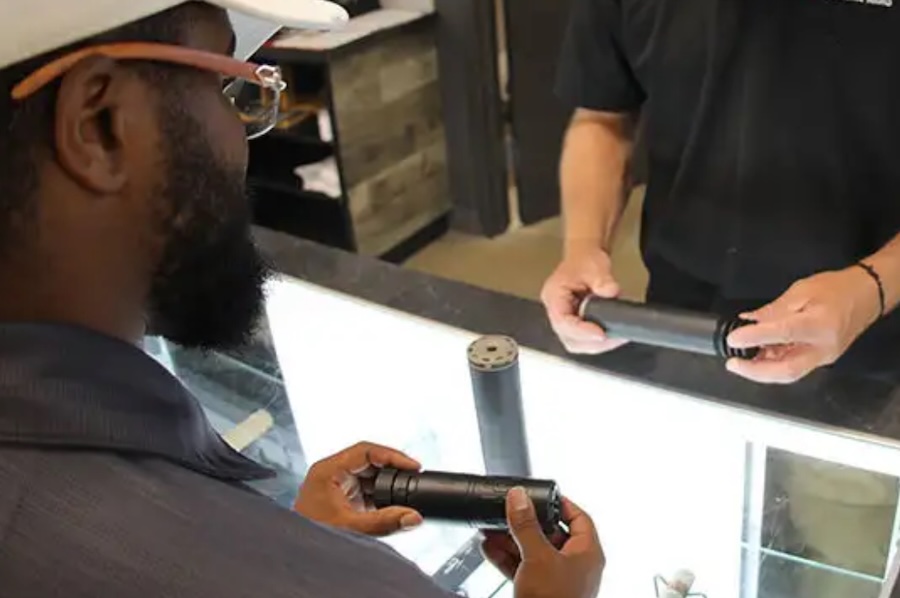
The surge in suppressor sales isn’t just a market blip—it’s a direct rebuke to the narrative that the American people are ready to surrender their rights at the first sign of political pressure. With ATF processing times collapsing and applications climbing, the data shows that millions of law-abiding citizens are voting with their wallets for quieter ranges, better hearing protection, and the simple dignity of not having to shout over every shot. This isn’t about “gun-grabbers” losing; it’s about the NFA’s century-old chokehold finally loosening under the weight of public demand and administrative efficiency.
What makes the trend especially potent is how it reframes suppressors from exotic “assassins’ tools” to mainstream safety equipment. Once the paperwork hurdle shrinks from nearly a year to a matter of weeks, the average hunter or sport shooter can finally treat sound moderation the way Europeans have for decades—as responsible stewardship rather than a privilege reserved for the paperwork elite. That shift undercuts decades of cinematic myth and gives the 2A community a tangible win they can point to: policy that rewards compliance instead of punishing it.
Longer term, the suppressor wave signals a broader recalibration of how regulators and the public alike view accessories that were once reflexively demonized. If wait times stay low and approval rates remain high, expect renewed pressure to move other NFA items—perhaps even short-barreled rifles—toward similar streamlined treatment. The lesson for activists is clear: when lawful commerce accelerates, culture eventually follows, and the old scare stories lose their grip.


