

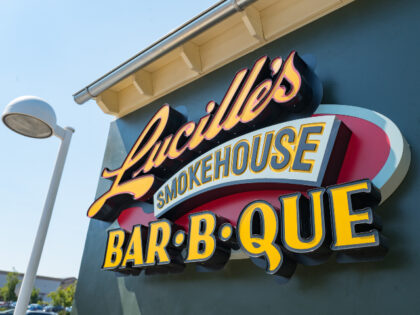
In a Cerritos barbecue joint, a concealed carrier’s split-second decision turned what could have been another tragic “what if” into a textbook demonstration of why the right to bear arms still matters. While diners scrambled for cover, the armed citizen didn’t wait for the cavalry; he ended the threat with one well-placed shot, sparing the room from a knife-wielding attacker who had already escalated from menace to imminent violence. The incident underscores a truth the 2A community has long argued: when seconds count, the only person guaranteed to be there is the one carrying.
Critics will reflexively claim that more guns equal more danger, yet this case joins a growing ledger of defensive gun uses where a single lawfully armed individual neutralizes a threat before police arrive. Data from sources like the Crime Prevention Research Center suggest defensive gun uses outnumber criminal ones by wide margins each year, yet these stories rarely receive the wall-to-wall coverage granted to tragedies. The Cerritos episode is a reminder that shall-issue permitting and constitutional carry don’t merely expand rights—they expand the pool of citizens capable of interrupting violence in real time.
For the broader pro-2A movement, the takeaway is both tactical and cultural: training, situational awareness, and the legal framework that empowers good people to carry remain the best deterrents against predators who choose soft targets. Every time a concealed carrier stops an attack without fanfare, it quietly reinforces the principle that self-defense is not a privilege granted by the state but a natural right the Constitution merely acknowledges. In barbecue restaurants, parking lots, or anywhere else ordinary life unfolds, that acknowledgment can mean the difference between headlines about victims and headlines about survivors.


