

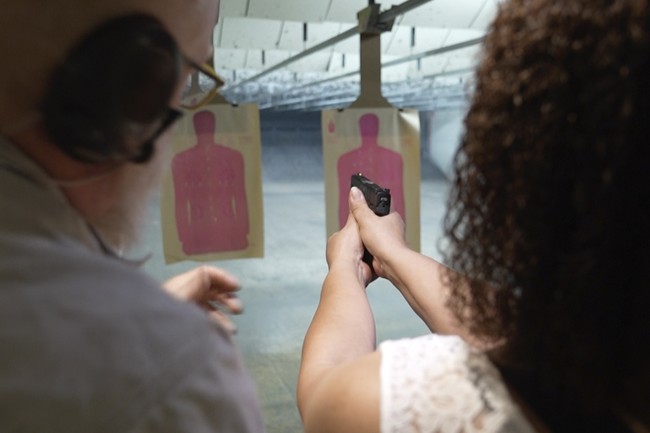
Massachusetts’ latest training mandate is less about safety and more about erecting another procedural wall between law-abiding residents and their Second Amendment rights. By demanding hours of classroom time, live-fire qualification, and a state-approved instructor roster that is already backlogged, the Bay State has effectively turned a constitutional right into a pay-to-play privilege—one that disproportionately burdens working families, rural residents, and anyone without easy access to approved ranges. GOAL’s challenge highlights how these rules were rushed through without meaningful public input, leaving little doubt that the real goal is attrition rather than education.
The ripple effects extend far beyond the classroom. When training becomes both expensive and scarce, fewer people apply for permits, fewer households keep firearms for self-defense, and the very demographic the state claims to protect—law-abiding citizens—ends up disarmed by red tape. This is the same incremental playbook seen in other restrictive states: layer cost, delay, and subjective approval until the right exists only on paper. For the broader 2A community, Massachusetts is serving as a cautionary case study; if these barriers survive legal scrutiny, expect copy-cat rules in neighboring states that already eye Massachusetts as a model.
Ultimately, the fight isn’t about whether training has value—it’s about who decides when that training crosses into unconstitutional obstruction. GOAL’s lawsuit forces the question into the open: can a state condition a fundamental right on jumping through hoops that grow more numerous each legislative session? The answer will shape not just Massachusetts carry permits, but the national conversation on whether “reasonable regulation” is code for slow-motion disarmament.


