

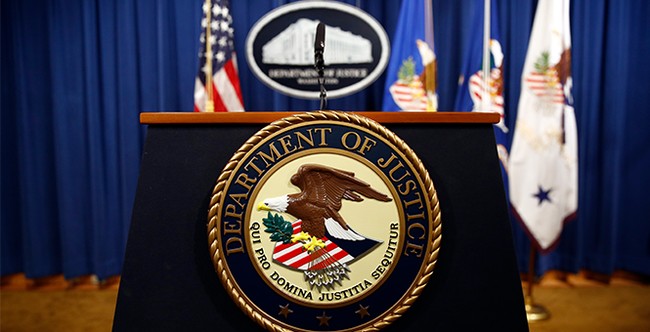
The National Firearms Act registry has long been a flashpoint for Second Amendment advocates, but the latest salvo from Gun Owners of America, Silencer Shop, and two Republican candidates signals a strategic escalation that could reshape how the Bureau of Alcohol, Tobacco, Firearms and Explosives administers the NFA. Rather than simply challenging individual denials or delays, these groups are now questioning the very architecture of the registry itself—arguing that the DOJ’s handling of applications, data retention, and approval timelines may violate both statutory intent and constitutional protections. By pairing a major suppressor retailer with a grassroots gun-rights organization and candidates who can translate regulatory grievances into campaign talking points, the coalition is effectively weaponizing both litigation and public pressure to force transparency on a system many owners view as an unconstitutional tax-and-paperwork trap.
What makes this development particularly potent is the timing and the optics. With suppressor sales surging and the NFA’s $200 tax stamp looking increasingly anachronistic in an era of $30 manufacturing costs, the lawsuit and accompanying political pressure arrive just as public tolerance for regulatory friction is waning. The involvement of Silencer Shop—a company whose business model depends on a functioning, predictable NFA process—adds a commercial stake that pure advocacy groups often lack, while the Republican candidates provide a direct electoral consequence for DOJ intransigence. If the courts or Congress ultimately side with the challengers, the ripple effects could extend beyond suppressors to short-barreled rifles, short-barreled shotguns, and even the broader question of whether the NFA’s registration requirements remain defensible under contemporary Second Amendment jurisprudence.
For the 2A community, the stakes are both immediate and long-term. A successful challenge could accelerate eForms processing, reduce arbitrary denials, and set precedent limiting the ATF’s discretion—outcomes that would benefit every NFA owner. Yet even if the litigation stalls, the publicity campaign keeps the registry’s legitimacy in the spotlight, making future regulatory expansion politically costly. In an environment where incremental infringements have historically gone unchallenged until they metastasized, this multi-front offensive—legal, commercial, and electoral—represents a maturing strategy: treat the NFA not as an immutable fact of life, but as a policy choice that can be contested, narrowed, and ultimately rolled back.


